

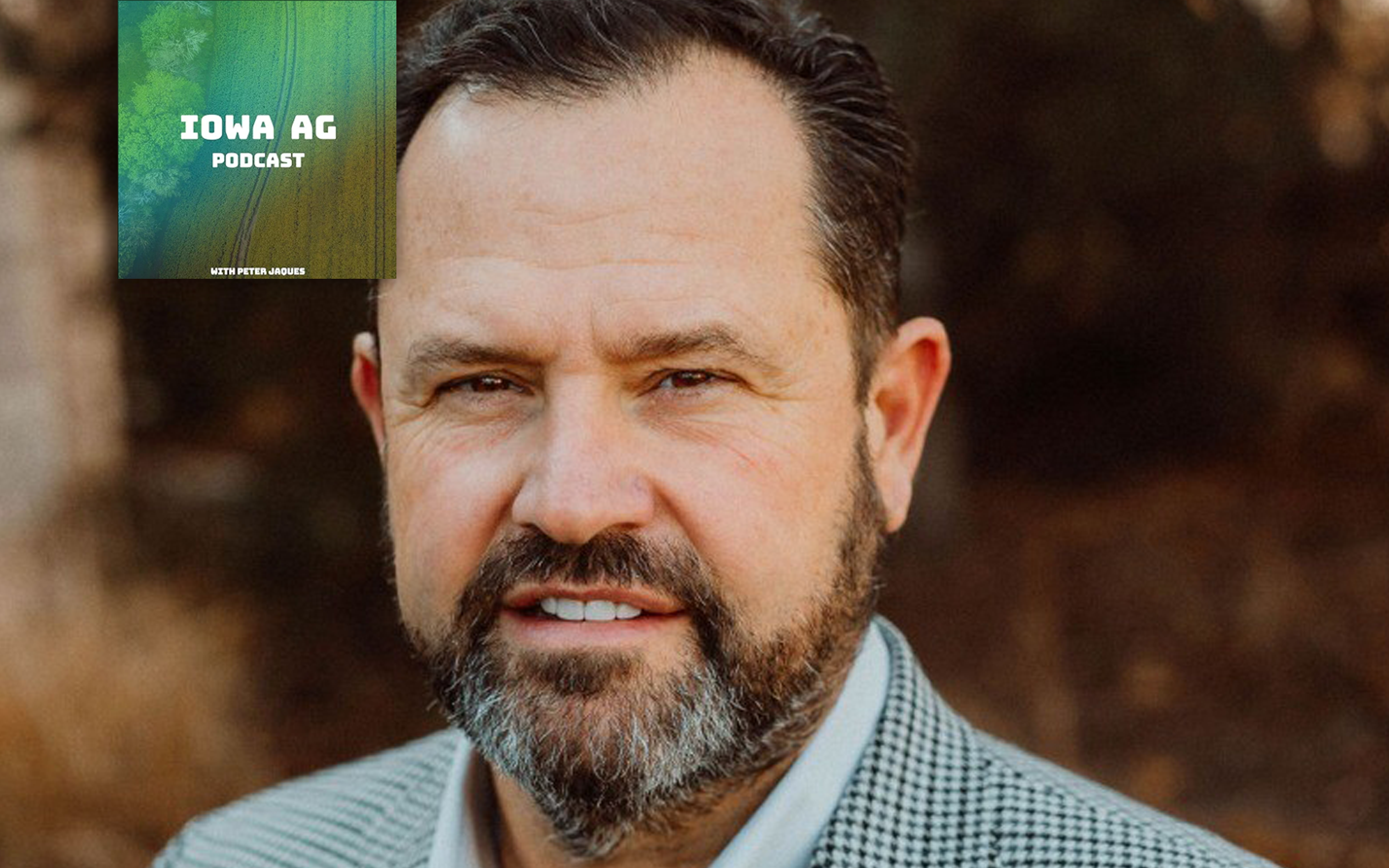


In this episode of the Iowa Ag Podcast, host Peter interviews Van Carlson, CEO and founder of SRA 831B Administration, about the 831B tax code and its application in agricultural risk management. Van’s company specializes in helping farmers and business owners understand and utilize this tax provision to self-insure against various risks.
Van explains that the 831B code, part of the 1986 Tax Reform Act, was initially created to address the challenges farmers faced in securing affordable crop insurance. As private insurance companies withdrew from the market due to catastrophic losses, Congress introduced this incentive to allow farmers to build tax-deferred reserves.
The 831B plan involves creating a C-corporation that acts as an insurance company. Farmers can then contribute pre-tax dollars into this corporation to fund potential losses, effectively creating a “rainy day fund.” This allows them to cover gaps in traditional insurance policies, such as crop insurance buy-ups, equipment depreciation, and even health coverage.
Rage-free Iowa news in your inbox
Justin, David, & Kaylee cover Iowa news, agriculture, business and tech. No clickbait. No agenda. If you support our vision, subscribe today!
Van emphasizes that farmers often self-insure risks due to the high costs and limited coverage of traditional insurance. For example, many farmers only buy crop insurance up to 75% coverage, leaving them exposed to significant losses. The 831B plan allows them to fund the remaining 25% with pre-tax dollars, providing a financial buffer in bad years.
The conversation delves into the specifics of setting up and managing an 831B plan. A new C-corporation is created, mirroring the ownership of the farmer’s existing operating company. Funds are then transferred from the operating company to the C-corporation, expending them as if they were equipment purchases.
Van also discusses the “HALO coverage,” a policy that covers gaps in equipment insurance due to depreciation. With equipment costs soaring, many farmers find their insurance coverage insufficient to cover outstanding loan balances in the event of a loss.
The podcast explores the various risks farmers face, including property damage, health coverage limitations, and crop losses. Van highlights the increasing difficulty in obtaining comprehensive insurance coverage, particularly for barns and specialty crops like alfalfa.
Van stresses the importance of working with trusted advisors, such as CPAs and financial planners, to maximize the benefits of the 831B plan. He also emphasizes the need for long-term planning, as the plan’s surplus can be leveraged for various purposes, including operating lines and real estate acquisitions.
The discussion also addresses the misuse of 831B for estate tax purposes in the past, leading to increased scrutiny from the IRS. Van clarifies that the primary purpose of the plan is risk management, with tax advantages as a secondary benefit.
Van concludes by encouraging farmers to educate themselves on the 831B plan and other risk management tools. He emphasizes the need to compete with large corporate farms that already utilize these strategies. He provides contact information for SRA 831B Administration and encourages listeners to visit their website for more information.