

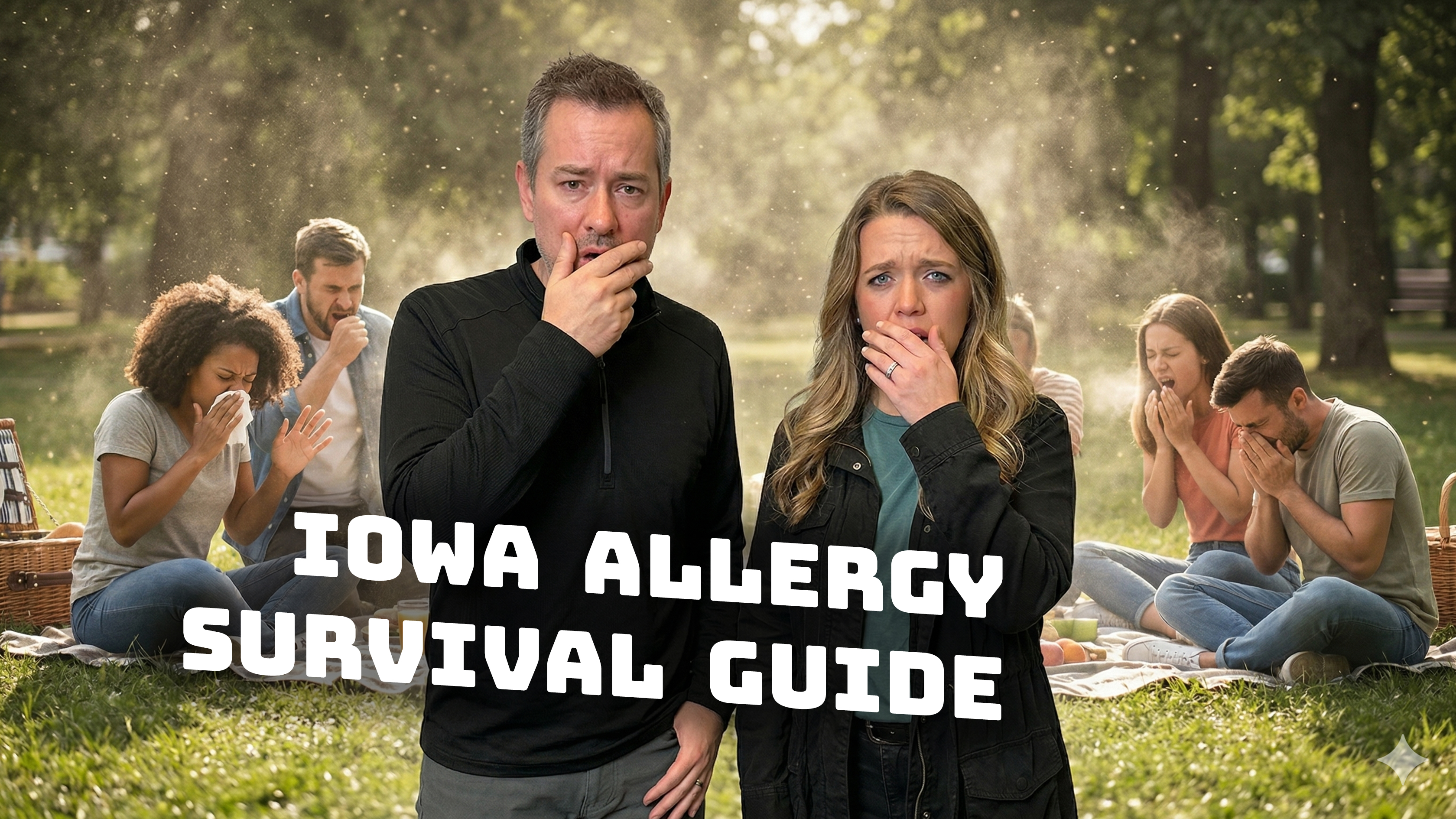
It’s allergy season in Iowa. Rather than suffer however, Elli Vore (PA-C) of Hy-Vee Health Exemplar Care explains proactive measures you can take that will have a noticeable impact. Raw honey? Saline spray? Medication? She covers both pharmaceutical and homeopathic tips to beat the sneeze.
Vore details why Iowa allergies pop up in April and why they aren’t random. Allergies are a response to both food and environmental triggers, which is why they keep you guessing and frustrate Iowans.
She explains how to tell the difference between a cold vs allergies and gives advice on what medication to seek, and what natural remedies are proven.
Join Hy-Vee Health Exemplar Care’s subscription plan and get Elli’s help! https://www.exemplar.care/
Why do Iowa allergies get worse in April?

Vore says Iowans are currently experiencing a significant surge in seasonal allergies due to weather fluctuations and agricultural activity. She notes that while symptoms like itchy eyes, sneezing, and watery eyes are typical, the timing often feels unpredictable because of the Midwest’s volatile spring climate. This environment allows pollen from trees and grass to trigger reactions earlier than some might expect. “When all those things, the grass and the pollen and the trees, are starting to bloom a little bit, even that can just trigger some allergies for people,” Vore explains. When the wind picks up, it can exacerbate the issue by blowing pollen or airborne contaminants around. This is why rain typically provides a feeling of relief by settling environmental dust.
Cold vs Iowa Allergies
Distinguishing between a standard cold and seasonal allergies is a common hurdle for patients. Vore points out that allergies are primarily identified by “itchiness”—affecting the eyes, ears, nose, and throat—and can last much longer than the typical seven-to-fourteen-day duration of a cold. In children, she highlights specific physical indicators such as “allergic shiners,” which are dark bags under the eyes, and a visible crease on the nose from frequent rubbing.
Iowa Allergy Care and Treatment Strategies
When addressing treatment, Vore advocates for an approach that respects individual patient goals and understanding pharmaceutical or natural intervention preferences.
For a pharmaceutical approach, she recommends over-the-counter antihistamines and nasal sprays. For those seeking non-pharma options, she suggests saline rinses and anti-inflammatory diets. “A big part of family medicine, but also direct primary care as a whole, is really developing those relationships with your patients so that you know what their goals are,” Vore states. She emphasizes that processed foods and high sugar intake can worsen overall inflammation, and weaken immune systems intensifying allergies.
Vore also confirms the efficacy of local, raw honey as a natural aid, noting that it introduces the body to regional pollens. To prevent illness during peak seasons, she personally utilizes and recommends immune-support supplements containing zinc, Vitamin D, and Vitamin C. Ultimately, she believes the best health outcomes occur when patients have a direct line of communication with their providers. Regarding the benefits of the direct primary care model, Vore notes, “Outcomes we see are so much better than when it’s just one sided, me telling you what you need to do.” By bypassing the “industrial” feel of traditional medicine, patients at Exemplar Care can manage their health through subscription-based plans and direct messaging without the stress of surprise medical bills.
Hy-Vee Health Exemplar Care is a cherished collaborator! IowaPodcast.com collaborators compensate our hosts for their time to bring you high value information.