



Audio version:
Being a good neighbor takes on many forms, and for Iowa’s farmers it means telling their story and building stronger connections. Brian Waddingham, executive director of the Coalition to Support Iowa’s Farmers, says the group was created by farmers, for farmers, with a mission to help the livestock industry grow both successfully and responsibly through a mix of advocacy, communication, and the implementation of best management practices.
Guest host David Geiger takes The Iowa Podcast microphone on this special Saturday special.
As technology advances, Iowa’s farmers are finding more opportunities to diversify their operations. Farmers not only specialize in different areas of livestock and crop production, but they also use conservation practices and science-based tools to make better decisions about where to place their barns and feedlots. Waddingham says that is one of four primary focus areas: helping farmers site new barns and feedlots in optimal locations, analyzing livestock regulations, enhancing neighbor relations, and implementing best management practices on the farm.
Hear from Iowans directly. No algorithms.
Don’t let the algorithms choose your news. Enter your email address to hear directly from Iowans leading news in politics, community, agriculture and business. No editing. No clickbait. No rage. No agenda.
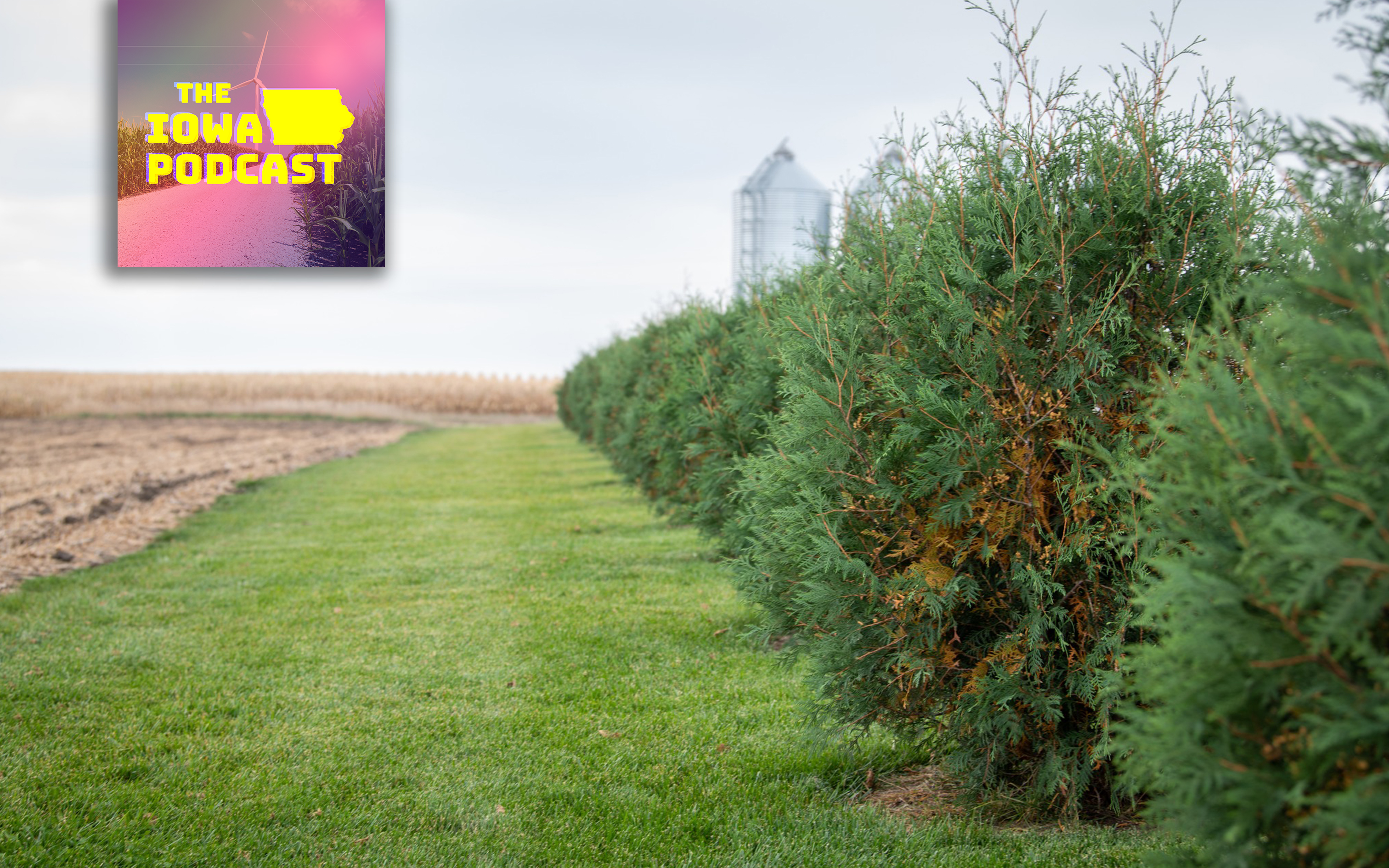
Some of these areas work hand in hand. For example, planting windbreaks has become a popular step in farm planning. They not only improve the appearance of farms but also help reduce odor and improve energy efficiency. Since its founding, the Coalition has helped plant more than 80,000 trees and shrubs across Iowa.

Odor has traditionally been one of the top concerns from neighbors of livestock farms, but advances in technology have brought many improvements. From filters and improved diets for livestock to better manure management and carefully chosen barn locations, farmers are using better practices in a way that helps everyone.
At the heart of all these efforts is communication. Waddingham emphasizes open conversations between livestock farmers and their non-farming community members, saying it is essential to fostering understanding and trust. By telling their story, Iowa’s farmers not only address concerns but also highlight their commitment to responsible production.
Ultimately, the Coalition thinks being a good neighbor is about much more than just farming, it’s about building a healthier rural America.
Interview Transcript
This transcript was created with help from Ai. Please report errors to us and always refer to the video as your primary source.
David Geiger: From the Jethro’s Barbecue Studio, this is the Iowa Podcast. I’m your guest host today, David Geiger. I’ve been a farm broadcaster for about 12 years on TV and radio. I also do a podcast myself now called Farm Here Daily. And today we’re gonna go over some agriculture aspects, some parts of farming. We’re gonna chat about that here in a moment. speaking of barbecue, that is an important part of the livestock industry, the agriculture industry as well. And we’re gonna dive into that right now. We have Brian Waddingham with the Coalition to Support Iowa’s Farmers. Brian is the executive director there. Thank you so much for joining us on the Iowa podcast today. Oh,
Brian Waddingham: Oh, great to be here, David.
David Geiger: Brian, just as an introduction, can I get you to just. give a brief explanation of what the coalition is and what it does.
Brian Waddingham: Certainly. So the Coalition to Support Iowa’s Farmers was started back in 2004 by farmers for Farmers with the sole purpose of, growing Iowa’s livestock industry successfully and responsibly. And the coalition, the last 21 years, we’ve really focused in on four key components to make that happen. number one is. Siting new barns and feedlots in the best locations. Secondly, we work to interpret the more than 250 pages of rules and regulations that apply to livestock farms today. thirdly, we work to enhance neighbor relations and then finally, we, implement best management practices on the farm. And, our favorite is probably planting windbreaks and trees and shrubs on farms today.
David Geiger: What do Windbreaks trees and Shrubs do for the average farmer.
Brian Waddingham: Oh, trees, we call’em the best, neighbor enhancer out there. first off, we think that they, really improve neighbor relations because, they can improve the aesthetic of that farm. they can provide some visual screening so neighbors aren’t looking at. Barns and feedlots, they’re looking at beautiful trees. but we also do know they’ve got, many tangible benefits. they reduce odor by 25% on livestock farms. they really work to, shade and shelter animals. we’ve done some studies where we, we know that they reduce the amount of electricity and propane costs in the winter. Just, serving as that natural windbreak. So trees do a lot of great things. and we started that program, the Green Farmstead Partner Program in 2009, and we’ve now planted more than 80,000 trees and shrubs on farms all across the state of Iowa.
David Geiger: Wow, that is incredible. And you said it prevents odor and this just adding some trees and shrubs. do you know the science on why that works? that way?
Brian Waddingham: that’s a great question. we have partnered with the Iowa Nursery Landscape Association and Trees forever. To, get this program off the ground 16 years ago. But what we, really rely on is we have 25 nursery professionals that we’ve trained around the state of Iowa that use their expertise when they go out and design a windbreak because there are so many things that go into, putting those trees in the right location to really get the, mixing of the air to reduce odor, but also. The correct placement from the barns and the feedlots so that snow is deposited in areas where you want it to be and not where you’re gonna have to spend more time moving it. So it’s, those nursery professionals that we rely on to, to really do the design work.
David Geiger: That’s really interesting to me because one of the ways farmers are trying to support rural America is go against kind of this complaint that will sometimes be there. of. Animal odor, which is an important part of the process. In fact, one of my favorite notes someone’s ever said about animal odor, when they go by they’re like, Smells like money. So it’s a good thing. But at the same time, it, does sometimes cause some disputes in rural America, but at least as far as I’ve been able to tell, there have been a lot of work done to. to reduce Odor to reduce some of the inconveniences that may be associated with livestock farming. Is that correct?
Brian Waddingham: Yeah, that’s absolutely correct. and I think that was one of the, one of the reasons the coalition was formed 21 years ago is, when we go out and cite these barns now, we really pay close attention to the topography, prevailing wind direction and then where the neighbors are located. So just proper placement of those barns has. Been, I think a, wonderful effect to, reduce odor. And then when you plant trees in the right location around those barns, and Iowa State University research shows, reduction in odor by 25% with a two or three row windbreak.
David Geiger: And that’s not even to mention all the efforts and work that have been done into barns themselves or into the diets of animals and how nutrients. are distributed to potentially reduce some of those things as well?
Brian Waddingham: Oh, yeah. the technology, in these new livestock confinements that’s occurred even in the last 10 years has been really incredible. just changing your, location of your tunnel fans or your pit fans as, and you also mentioned, what you feed those animals. there’s several companies that have products out there that can reduce odor, by just adding, ingredients to the feeds. Or you can add, Pit additives directly to the manure. So we’ve got all these things working in our favor to just further reduce odor and, just, hopefully continue to grow the livestock industry here in the state of Iowa
David Geiger: Since we’re on the topic. I just think it’s interesting because agriculture does get a bad rep for that, and one of the things that I’ll see in media is the use of, information that may be 10, sometimes even 20 years old, But a lot has changed since the beginning of the new. century and millennia.
Brian Waddingham: Yeah. again, technology continues to improve. Farmers are always adding more tools to their toolbox as ways to be better neighbors, to be better farmers, to be better, environmentalists. again, as agriculture continues to evolve, so has the farmer and, I think, we’ve, we certainly see it on the, the agronomy side or the crop side, but also that livestock side. it’s, just come so far in such a short amount of time.
David Geiger: We’ve talked about some of the things farmers are doing for rural America and the folks that live near them, but there’s also a, reliance of rural America on farmers and farmers on rural America. As you go around and you visit with all the communities in involved, what do you think is the number one topic that comes up when it comes to livestock farmers? in rural America?
Brian Waddingham: I, think a, lot of, confusion maybe. and again, what I would always encourage is if, you live in a rural community and, there are livestock farmers nearby, I encourage you to reach out to’em, stop and ask them, what they’re doing because, I think as livestock farmers, we just take for granted that. Everybody knows what we do, and at the same time, we take for granted that, we know what everybody else is doing, but that doesn’t seem to be the case anymore. whenever we, work with a farm family to put up a new feedlot or a a, new confinement barn. We encourage them to have an open house and not just invite their friends and family, but invite that community to come out and see what goes on inside those barns or inside those feedlots and ask questions because, for instance, a hog barn open house we had several years ago, we had over 300 people. Come really mostly non-ag people. And they were just blown away that inside those barns, those pigs had access to feed and water 24 hours a day. everything was controlled through a smartphone. so temperature, humidity, everything was just being able to be checked on that. And, it was a warm day and it was probably 20 degrees cooler inside the barn than outside the barn. And I think that was a real eye-opener for a lot of people that, oh wow, these animals are really cared for. And, it’s, it, we just really didn’t know what happened. So always encourage, the non-farming community to stop and, talk to a farmer and, see what goes on
David Geiger: with fewer than 2% of the population being farmers. I think there is a vast underestimation of how much knowledge is distributed or known among, non-farmers in especially in urban areas. But even now in some of the rural communities. I think for the exact reason that you said there’s just not as much interaction, there’s not as many am. Or to put it more in a modern term like PR going on from farmers, by farmers, and so that is one of the directions that the coalition works on as well in terms of having that communication capability. for folks out there producing our burgers, our pork chops, our bacon, and the many other products that are made.
Brian Waddingham: Yeah. so we obviously, when we work with a family to, to put up a new livestock facility, we encourage them to reach out to all their neighbors, at least those within a mile, and, tell them, Hey, this is what we’re gonna do. This is why we’re gonna do it. What questions do you have? and have that farmer invite. Those people over to see what they currently have and how they care for their animals and being good stewards of their land and their livestock goes so far today. I think, there is a story to be told, but as a farmer, if you’re worried about getting chores done and you’ve got crops to plant and harvest and take care of, there’s just not a lot of time left over in the day to get out and tell that story. again, it’s, we, really encourage, even if you’re not building a new barn or feedlot, Just continue to reach out and meet those neighbors and have a conversation with them and, you get those blizzard type events, go, maybe move some snow for’em or, check on’em and make sure that they’re okay. So little things like that I think have a, really, huge impact on improving those farm to non-farm neighbor relationships.
David Geiger: Being a good neighbor is just a general good practice, but as a farmer, you have. Either fewer neighbors or access to more capabilities than your normal neighbor might have. And I think that’s a good point to pivot to, a work you guys do very frequently across the state of Iowa, which is the Good Farm Neighbor Award. Can you. tell me a little bit about that.
Brian Waddingham: So the, the Good Farm Neighbor Award was started, back in 2004, along with the coalition. And, what it does is it recognizes livestock farmers that go above and beyond, to be good stewards of their land, caretakers of their livestock, and active in the community in which they live. and also we have so many farmers that, sit on state and national boards and committees. they don’t have to, But they choose to because they want to be involved. but this award then, a neighbor or an acquaintance can nominate them for this award. we have a selection committee that reviews the nominations, and then once approved, we reach out to that family and notify’em that, Hey, somebody. Thought highly enough of you as a good farm neighbor to, nominate you for this award. And, it, again, it just is a great way to showcase Iowa’s livestock and poultry farmers for the great work they do. and a lot of what they really focus on, is conservation practices, in the fields. but again, the technology for the livestock, different certifications for animal husbandry. The technology that’s used in the barns, or the feedlot. so again, it’s just a, really great way to, to recognize farmers that go above and beyond
David Geiger: going above and beyond involves. actively participating in the community. as well. So you will see Plenty of times during the Good Farm Neighbor Award, at least that I’ve witnessed where folks are creating these value added agriculture. They’re part of the local, businesses. they produce stuff that goes beyond your typical corn, soybeans, beef. pork, and it gets involved with the folks that are around them as well. How does that work?
Brian Waddingham: we’ve seen a lot of, good farm neighbor award winners, that are, they coach little league, they sit on school boards, the local church board, always giving time and volunteering. And then more recently, especially since. 2020, we’ve seen a lot of farmers switch to more on-farm processing. so whether it’s direct to consumer or, farm to consumer freezer beef or pork or poultry sales, we’ve got a lot of dairies that are, adding on-farm processing for cheese and, specialty, like yogurt, things like that. all those things really work to, I think, paint a picture too of that farm family telling their story and then the local community, can see what they raise and how it tastes and everything. So anything like that. and again, we’ve seen a huge uptick in that recently. I think just really goes to, to help tell that story of, modern livestock agriculture today
David Geiger: when I think of some of those value added agriculture opportunities and having that on farm, processing, I think of. A way to provide for the next gen generation to have a job on the farm and have a place on the farm as it continues, to, age or farmers are becoming older and it becomes harder to stay on the farm or have opportunities, there. and that really coincides with what rural America is able to give as well, because many farmers will, have a off-farm job or a second job of some kind or part-time job. So how does that aspect influence livestock farming in Iowa?
Brian Waddingham: So I, that’s a great point, and I think one word can sum it up and that’s diversification. these farmers that have traditionally, Produce a commodity, whether it be corn, soybeans, cattle, or hogs, are now really looking as ways to get into specialty markets, whether that’s on farm processing or, raising certain breeds of animals that have a higher demand in food service. but I think that’s the key. And, diversification comes in many forms. maybe, you’re a, dairy farmer that now, wants to. background, some calves, as we start to see, more dairy, cross beef type calves. So these dairies can diversify. Do that. And that’s a great way to bring a son or daughter or a grandson or granddaughter back. And then if they want to get into, the specialty, maybe they wanna make cheese curds on the farm and. They brought their son or daughter back from Iowa State and they’ve got a food science degree, what a great way to really do that. and that makes a spot for them on that farm because as the cost of buying land and equipment is just skyrocketing. So how can we bring somebody back into the farm, without having to invest millions of dollars? This just seems to be a great way to do that.
David Geiger: They might get a little too in the weeds on this front, but and maybe not as much affected in the pork side of things, but the cattle side, that used to be something I heard all the, time of, oh, you, you get a few dozen cattle start up a little, pasture operation. but cattle prices have skyrocketed with this, historic low of our cattle herd in the us. Is that still a viable opportunity with. the prices that They are right now.
Brian Waddingham: Short answer is yes. I still think that there is a, I’ll call it cautious optimism with the, cattle industry today, with record high prices. there’s always the fear that at some point you’re gonna top out and then the market’s gonna go the other way. But I still think that there are plenty of opportunities, whether it’s on the cow calf side, the, background inside, or even finishing cattle today. it still makes a lot of sense. To feed our cattle, the crops to add value to those crops as well. but yeah, I, the short answer is yes. There, there is opportunities. and again, the consumer is not backing off purchasing that beef in the grocery store or, at, restaurants. So we know the demand’s gonna be there. And, at least for the foreseeable future, we think, prices are gonna remain very favorable, to raising cattle.
David Geiger: The, and this 100% gets too much into the weeds on the balance between the Packer side of things and the farmer side of things and how it remains profitable in one area and how much of the Farm Dollar Packers get. But to sum it all up, there has been a push towards having more local Packing plants and more local Iowa opportunities for our. livestock farmers. Can you tell me more about how that works?
Brian Waddingham: Yeah, right now there is, we’ve, again, since 2020 or the, that COVID period, we have seen a lot of farmers go the, the local locker route where you know it for a while there you. Couldn’t schedule an animal, to be harvested for 12 months because the demand was so great. And I think as part of that, consumers, got a real taste for that locally produced product. They knew they were buying local, they knew the person who they were buying the meat from. and I think. that went a long way to, really boost the, on-farm freezer meat sales. And we really haven’t seen that change. we’ve seen the Iowa Department of Ag and land stewardship, invest some money into the Choose Iowa program, and that’s all about local farmers, servicing their local community with food, milk and, other, ag type products.
David Geiger: If you were to venture a guess or a note into the Space of rural America, what would you say is needed to better support Iowa farmers in rural America? itself? know,
Brian Waddingham: I think, again, I said it before, but I think it’s communication. I think, if we can have better dialogue between livestock farmers and their, non-farming neighbors or, non-farming community members, that would go a long way and, both. Parties better understanding what the other does or wants to see. so we are big advocates for telling agriculture story and we try to do it in, our work every day. But again, that’s just a little piece of, the overall pie and, I think. The farmer telling their own story resonates way more with that local resident than me telling that story. So we just need to find a better way to, to get the two together and tell stories and, share experiences. and again, we try to do that through, the Good Farm Neighbor Award, connect some of those dots. We try to do that through our open houses. and then just in general, whether it be through radio or print ads, just. Try to connect some more dots for, the, non-farming community members.
David Geiger: One of the difficulties in farming is that it does require you to have a lot of, skills. and as agriculture com communicators, you and I, that’s something that we do all the time. But there’s some people, it’s, just not their talent. It’s not their gift to be. a communicator in that way. How do you support those people? Help those people out, when it’s just not their, strongest point. Yeah,
Brian Waddingham: Yeah, that’s a great question. and I’m not sure I have a great answer for that.
David Geiger: there might not be a great
Brian Waddingham: because you’re, correct. Some people, farmers just wanna keep their heads down and do their thing and, just be left alone. but I, do think what we’ve seen as, we work to bring more young people back to the farm, many of those have at least a two year, if not a four year degree. so they’ve, been exposed to different experiences that maybe their parents or grandparents haven’t been. So for them, that’s what we really focus then on is, that young person that gets back to the farm, having them tell their farm story, even if they’re. their dads or grandpas aren’t willing to do that. At least that next generation coming back, can hopefully tell that story. They may not like to either, but I think that is probably where we spend most of the time is, working with those folks, to tell that story. and, we’ve got programs available to young farmers and even established farmers, to help them better communicate what it is they’re doing. I, think that’s probably, the best way if, You’ve, you’re not very, want to go out and spread the PR about your farm, bring that son or daughter back and, have them do it for you.
David Geiger: I’m glad You brought up the next generation,’cause I had more questions on that. Noting specifically groups like F, FA four H, some of those youth opportunities, FFA in particular, I have just been astonished at the level of training and communication that those students get to then bring back to the farm or Whatever job that they then move into. and it makes me think of, the opportunities that are provided in agriculture, by agriculture and by the folks that support agriculture. when you look at the younger generation, you look at the value added opportunities that we spoke about that tries to help get them back on the farm. What are some of the challenges of keeping kids on the farm or bringing folks that didn’t have a background in farming? Back to the farm or rural landscape?
Brian Waddingham: Yeah, so we, we, I don’t wanna say partner, but we do involve ourselves quite a bit with FFA here in the state of Iowa. we go to their, spring conference every year up in Ames. we partner with them at State Fair on various activities. but we do a survey and we’ve done this survey now for, I think it’s been 19 years at the FFA, leadership Conference. And we asked them what are the biggest hurdles to coming back and the first one. Every single year has been, startup costs are just too high. but also what has been, on the, uptrend here lately is it’s insurance. They’re worried about paying for health insurance of just being on the farm. and they’re just worried about how hard you work, for what the reward is sometimes. those seem to be the three biggest hurdles. but the startup cost thing is by far number one. and again, we work with, a lot of different, people across the ag landscape, to, work on programs where we can get lower interest loans, we can get cost share programs for new livestock barns and feedlots. we even started a, an entirely new program called Building Your Livestock Legacy, which is geared towards, connecting those young people that want to get back to the farm with the financial resources necessary to do it. And then also the second part of that program is to work with those established farmers that don’t have heirs that want to come back and continue their farming legacy. So how do we connect those established farmers with young people that may not have an avenue back home like you mentioned, but they want to get involved in livestock agriculture. So we do have farmers, That have livestock that don’t have, hes that say, Hey, if you can connect me with the right individual or young couple, I think we could make something work here that will make both of us happy. again, that’s a program that we offer that, we’ve seen Great, success, with, since January when we launched it.
David Geiger: On that same note, when you were going. over health insurance and some of the other challenges that are involved there, Farming is a hard job, especially livestock farming. It requires you to be there every day unless you have a partner you can work with that you maybe take some time away or time off, and yet farming is also what allows you and me to be able to have 40 hour a week job, maybe overtime or another job, and not have to worry about where our food comes from. It’s just at the grocery store that is caused because we have a strong farm economy. and a robust agricultural system in the modern day. So how do you balance that by also allowing farmers to have the privileges that we do, the privileges of nearby hospital systems, of health insurance, of good roads, networks, et cetera, that, we might have in a city.
Brian Waddingham: Yeah, I think it’s, it’s young people is still the key, finding the right. kids, youth that want to come back to the family farm or they want to get involved in, another farming enterprise. that’s how we can connect some of these dots for them. But I think also, if we can continue to bring young people back and keep livestock, agriculture, growing in the state of Iowa, I think the rural hospitals, the road, this, the network and stuff will continue. To grow. because if you get more people in those communities, that’s good on the local economy. it puts, more kids in schools and fills more church pews on Sundays and, things like that. So livestock is still a great way to do that, because you can. Feed the crops that are grown locally to that livestock and that adds value. so I, I do think that we, need to continue to really work on finding ways to bring that next generation back to the farm if we want to see the economy grow at that local level. Now, how we do that, I, don’t have all the answers to, but I do know that USDA and FSA, they have programs, grants, low interest loans available, specifically targeting livestock agriculture. And young people to, hopefully merge those two and, get more livestock and poultry growing here in Iowa.
David Geiger: One more note. What is the thing you are Mo most optimistic about and what can we look forward to from the coalition?
Brian Waddingham: I think most optimistic, I do think that there are plenty of opportunities in on Iowa’s livestock and poultry industries. we’re seeing, a lot of growth right now in cattle and chickens specifically, but everything’s a cycle. And I do think, the dairy, industry is on the verge of going through another growth phase. and no nothing brings value to a community. Dairy cows. each dairy cow is worth $25,000 to the local
David Geiger: Wow.
Brian Waddingham: that’s huge. And then also, and, most people don’t associate shrimp farming with agriculture in Iowa. but we have some really fascinating, Opportunities right now to do some contract feeding with shrimp, really. which, you think about demand for seafood, it is increasing every single year. so to grow something like shrimp here in the state of Iowa and supply local grocery stores and restaurants with a homegrown product is, pretty cool. So I, do think that’s one thing we can look forward to in the future. And, the coalition. To answer the second part of your question, we are gonna keep evolving along with Iowa agriculture. we cite fish and shrimp farms. We, as well as cattle and dairy and hog and Turkey and chicken. So we’re a one-stop shop for all things livestock right now. but I, do think that again, we’ll just continue to evolve and offer more opportunities and, try to connect young people with livestock moving forward.
David Geiger: Brian Waddingham is the Executive Director of the Coalition to Support Iowa’s. Farmers. Brian, thank you so much for joining us on the Iowa Podcast.
Brian Waddingham: Thank you, David
David Geiger: from the Jethro’s Barbecue Studio. This is the Iowa Podcast. Feel free to visit Iowa podcast.com and thank you so much for joining. Again, this is the Iowa Podcast. I’m guest host David Geiger. You can also find my podcast at fieldforwardmedia.com. It is called Farm Here Daily. Really appreciate you all being here.