

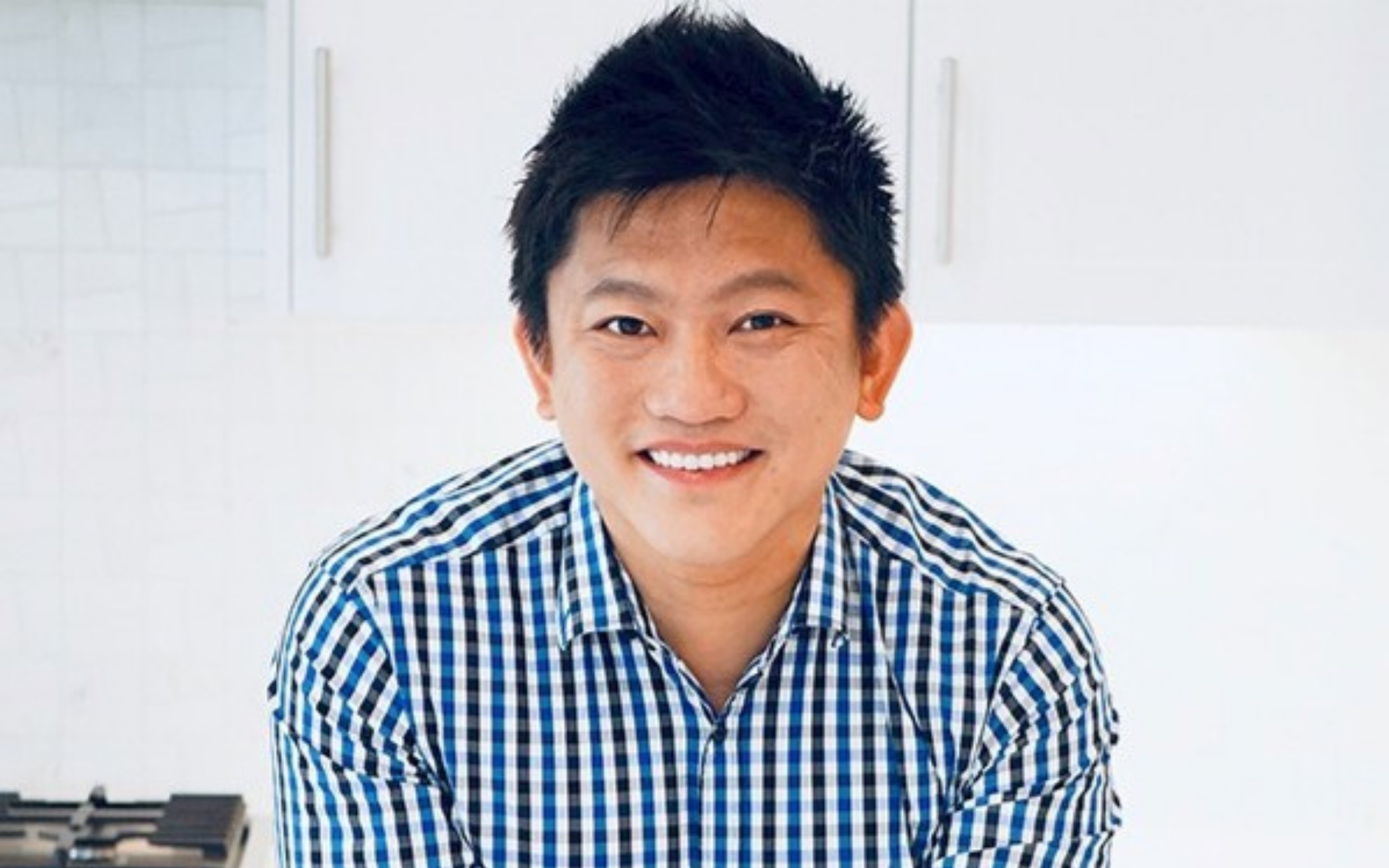
Han Chen, founder and CEO of ZeaKal, a pioneering agtech company discusses how they enhance global crop performance through genetically optimized photosynthesis. Speaking from the World Food Prize’s Borlaug Dialogue in Des Moines, Chen explains how his work is helping redefine agricultural productivity—not by increasing acreage or chemical inputs, but by enhancing the very mechanism that plants use to convert carbon dioxide into nutrients.
Although headquartered in sunny San Diego, Chen considers Iowa a second home due to the state’s rich agricultural ties and its embrace of cutting-edge farming technology. ZeaKal is built on a scientific discovery that Chen calls “serendipitous”—an accidental but revolutionary modification to how plants absorb and process CO₂.
From Venture Capital to Breakthrough Genetics
Chen’s journey into agtech began in venture capital, inspired by a global search for overlooked agricultural IP. His investment career took him to New Zealand, Australia, and Canada, where he identified disparate innovations that, when combined, became the genetic basis for ZeaKal’s PhotoSeed technology. “What we look for was that, you know, every community around the world farms,” he explained. “Food is the basis that kind of connects all of us.”
Hear from Iowans directly. No algorithms.
Don’t let the algorithms choose your news. Enter your email address to hear directly from Iowans leading news in politics, community, agriculture and business. No editing. No clickbait. No rage. No agenda.
ZeaKal’s mission centers on improving carbon capture efficiency in crops—specifically corn and soy, the backbone of U.S. agriculture. PhotoSeed-modified plants not only absorb more CO₂ but also convert that energy into higher-value outputs such as increased oil and protein content per acre, delivering tangible benefits to farmers and downstream supply chains alike.
“The Anti-Ozempic of Plants”
In Chen’s words, ZeaKal’s technology makes plants act as though they’re in a constant state of hunger. “I call it the anti-Ozempic of plants,” he said. “Our plants think they’re constantly starving all the time, so they’re just gobbling that up more.” This artificially induced metabolic urgency results in crops that yield more oil and protein—critical in today’s transition to sustainable food, feed, and fuel systems.
With applications in sustainable aviation fuel, animal feed, and renewable diesel, the implications of ZeaKal’s innovation stretch far beyond yield. By extracting more value per acre without increasing input costs, Chen sees a scalable path toward solving food security challenges and promoting environmental resilience.
Championing Global Innovation at the World Food Prize
Chen’s influence extends beyond the lab. As a World Food Prize honoree and advocate for innovation in agrifood tech, he’s been deeply involved in the organization’s programming. Last year, he was inducted into the inaugural class of Top AgriFood Pioneers, a recognition of his trailblazing work. This year, he returned as both MC and judge for the “Innovate for Impact Challenge,” selecting top global agtech solutions from hundreds of applicants.
“We had hundreds of applicants that we now have gotten to the top three,” Chen said. “Tomorrow we get a chance for these three presenters to be on stage, give five-minute elevator pitches… and the winner will walk home with a pretty amazing prize and recognition on one of the largest stages of the world.”