

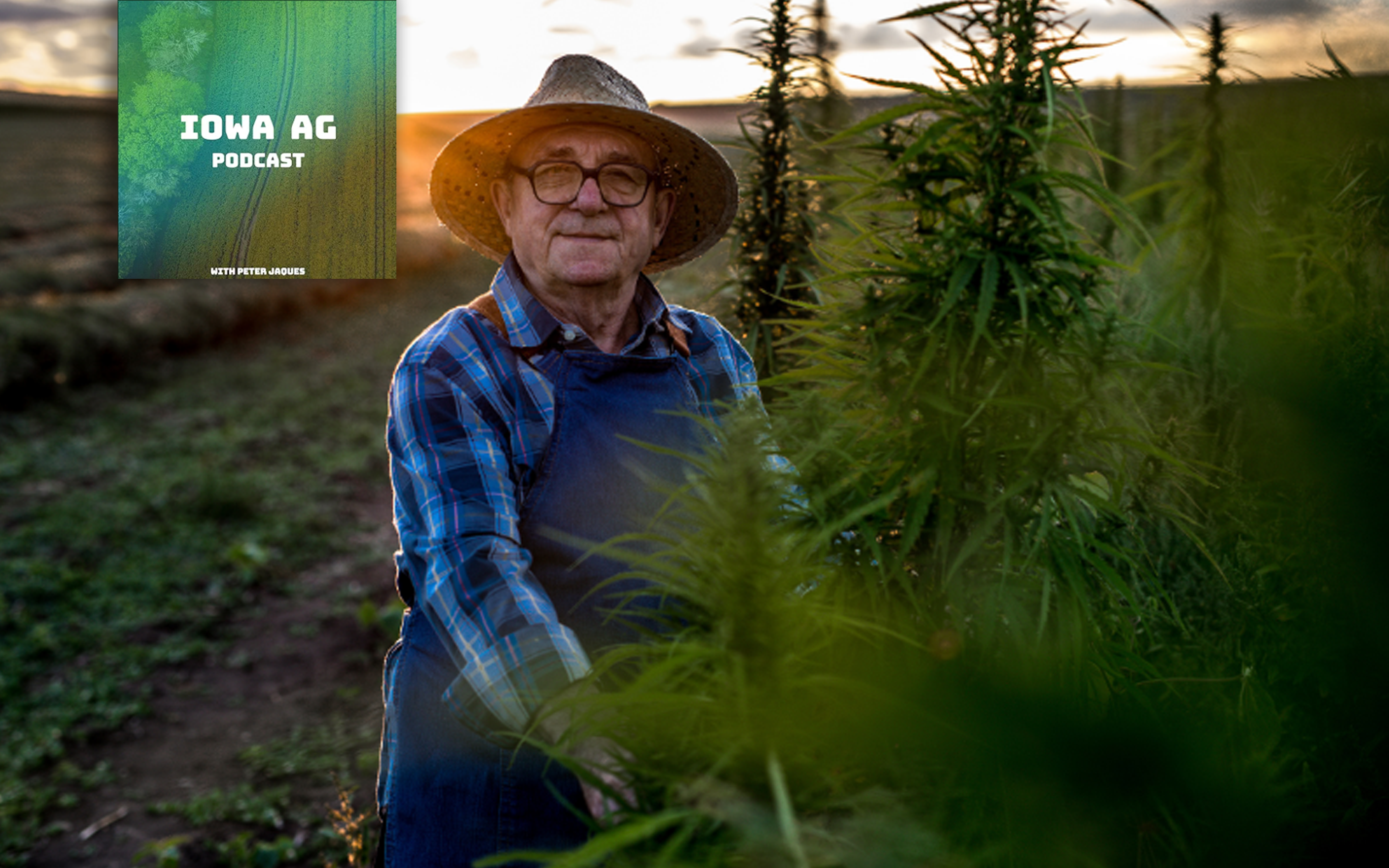


In this interview with Jason Haglund we focus on the challenges and mental health issues faced by farmers, particularly in the context of modern agriculture and technological changes. Haglund, a counselor with a background in behavioral health and a part-time farmer, discussed how advancements in agricultural technology have impacted small farmers. He noted that while technology, such as nutrient management and precision farming, offers benefits, it also increases competition and financial strain, particularly for smaller operations. This strain can contribute to mental health challenges among farmers.
Rage-free Iowa news for your inbox
Justin, David, & Kaylee cover Iowa news, agriculture, business and tech. No clickbait. No rage. No agenda. Support our vision and subscribe!
Haglund highlighted the importance of understanding and addressing the unique mental health needs of the agricultural community. He emphasized the role of community support and the need for specific outreach to farmers and rural areas. According to Haglund, farmers face distinct stressors due to their dependence on uncontrollable factors like weather and market prices, leading to chronic stress and mental health issues.
He also discussed the broader impacts of mental health issues in rural communities, noting the high levels of anxiety and depression, which have been exacerbated by the pandemic. Haglund stressed the importance of open conversations about mental health, reducing stigma, and providing accessible mental health resources, including the 988 National Suicide Hotline.
Haglund’s personal experiences, both as a mental health professional and as a farmer, underscored the challenges faced by the agricultural community. He shared his family’s farming history and his own journey, intertwining his professional expertise with his insights into farming life.
Overall, the interview highlighted the need for greater awareness and support for mental health in farming communities. It called for more tailored approaches to address the unique challenges faced by farmers and rural residents, including enhancing mental health services, fostering community support, and integrating mental health considerations into agricultural practices and policies.
In the interview, Jason Haglund mentioned several resources aimed at supporting mental health, particularly in farming and rural communities:
- 988 National Suicide Hotline: This is a new, easy-to-remember three-digit number for the National Suicide Prevention Lifeline. It’s designed to be a resource for anyone experiencing a mental health crisis, providing immediate access to professional support.
- Iowa State University Extension and Outreach: Haglund mentioned that this organization offers various training and educational programs. They are a valuable resource for emotional well-being and mental health support in rural communities.
- Rural Policy Partners: This is Haglund’s own company, which works with states and mental health regions to redesign systems for better mental health support. They can be a resource for guidance and assistance in managing mental health centers and related services.
- Mental Health First Aid Training: Offered by the National Council of Well-Being, this standardized course provides education on the prevalence of mental health issues and addiction disorders. It also teaches how to notice signs of mental health struggles in others and how to ask direct and helpful questions about someone’s mental state.
- Mobile Crisis Teams: Available in every county in Iowa, these teams provide immediate, on-site assistance in mental health crises. They can be contacted through the 988 hotline.
Community Support Groups: Haglund emphasized the importance of community in addressing mental health. He gave an example of informal support groups, like those that might meet in local spaces (like a salon), which can be a source of support and camaraderie.