



Audio version:
4/4/25 UPDATE: SSB 1051 now known as SF 394 did not pass the house committee before the funnel deadline, so it’s considered dead.
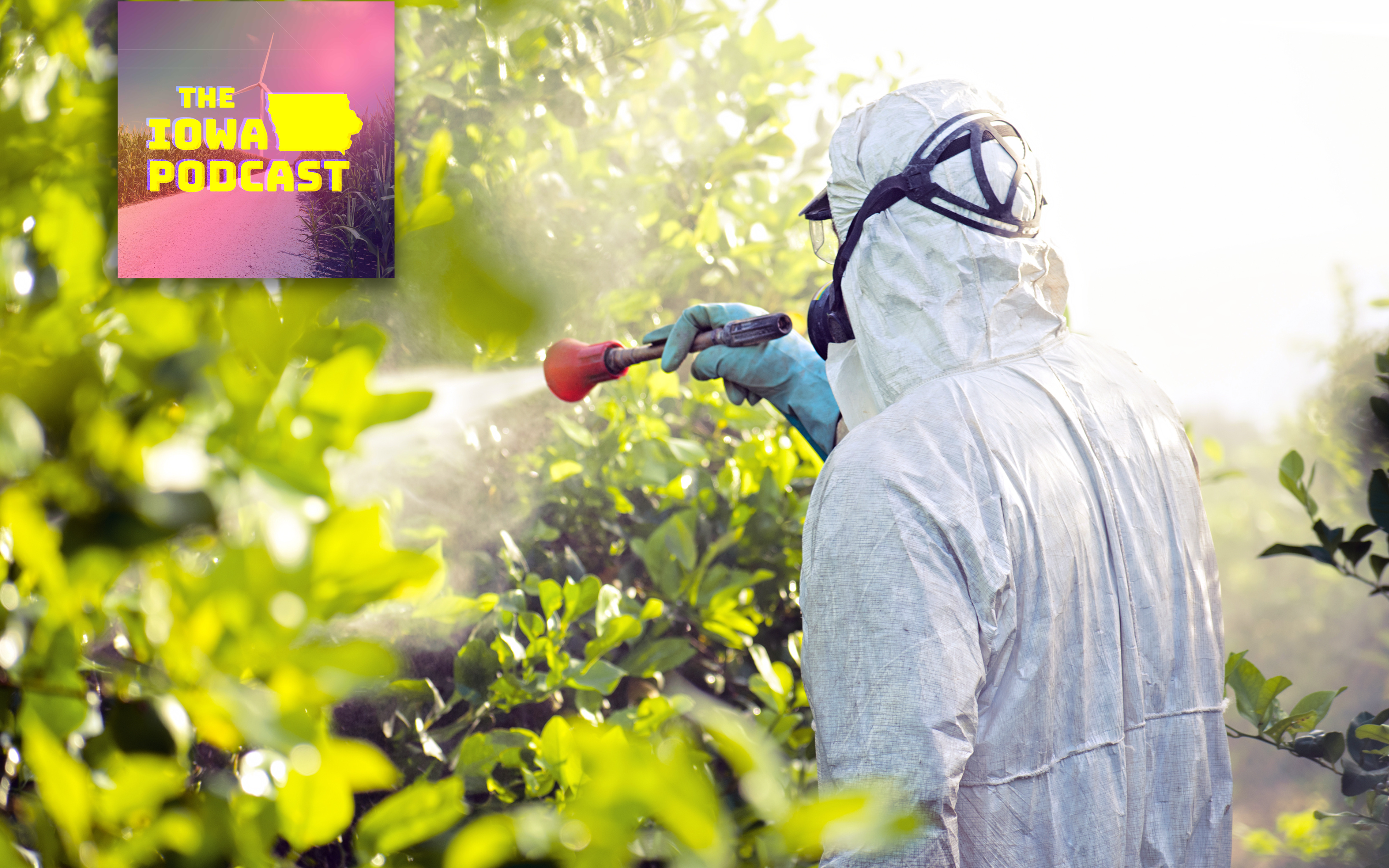
A new bill, SSB1051, could shield pesticide manufacturers from civil litigation from Iowans. Senator Tony Bisignano explains his opposition to the bill, saying if it’s discovered an organization exposed Iowans to carcinogens, they should face lawsuits like anyone else. But with political lines changing, is this a Republican or Democrat issue?
Bayer who own Monsanto, makers of RoundUp, are pushing the legislation. They argue if a pesticide receives EPA approval they should be safe from civil lawsuits. Bill opponents argue because we don’t yet know if these chemicals are linked to Iowa cancer rates, we shouldn’t rush to protect companies potentially causing the rise. Republicans are mostly in support of the bill, however with Robert F. Kennedy Junior, a public dissident of glyphosate, being installed as HHS Director last week does that change things?
Hear from Iowans directly. No algorithms.
Don’t let the algorithms choose your news. Enter your email address to hear directly from Iowans leading news in politics, community, agriculture and business. No editing. No clickbait. No rage. No agenda.
The Debate Over SSB 1051 and Corporate Protections
Iowa State Senator Tony Bisignano joined The Iowa Podcast to discuss his opposition to SSB 1051, a bill that would grant pesticide manufacturers immunity from lawsuits if their products comply with EPA-approved labeling. He argued that the legislation prioritizes corporate interests over public health, particularly in a state with one of the highest cancer rates in the country.
Bisignano emphasized that Iowa ranks second in the U.S. for cancer diagnoses, with cases continuing to rise. He raised concerns about long-term exposure to pesticides, particularly glyphosate, a widely used herbicide, and its potential links to diseases such as non-Hodgkin’s lymphoma and Parkinson’s. While acknowledging that no definitive scientific consensus exists, he contended that the bill removes Iowans’ ability to seek legal recourse if future research proves harmful effects.
“The legislature should never tell people they don’t have recourse when they’re harmed,” Bisignano stated. He argued that past regulatory approvals for substances like asbestos and opioids initially overlooked serious health risks, and SSB 1051 could repeat history by prematurely shielding chemical companies from liability.
Political and Industry Influence in the Debate
The conversation also touched on the political divide surrounding the bill. While Republican lawmakers largely support the measure, some have broken ranks. Bisignano predicted the bill would pass, citing the Republican majority’s pattern of pushing forward legislation backed by corporate donors.
Farmers, a key stakeholder group, remain divided. While organizations like the Iowa Farm Bureau and Iowa Corn Growers Association support the bill, groups such as the Iowa Farmers Union oppose it. Bisignano noted that some farmers privately express concerns about pesticide exposure but hesitate to speak publicly due to industry pressures.
Additionally, the role of Bayer—Monsanto’s parent company—was discussed. As a producer of both glyphosate-based products and cancer treatments, Bayer’s dual role raises ethical questions. Bisignano found it troubling that the same corporation could manufacture a potentially harmful product while profiting from treatments for its alleged health effects.
With the bill’s passage likely, Bisignano underscored the broader issue: the increasing influence of corporate lobbying in legislative decision-making. He stressed the need for transparency and a legislative approach that prioritizes public health over industry protection.
For Iowans concerned about pesticide exposure, Bisignano’s message was clear—maintaining the right to legal recourse is essential in protecting future generations.