

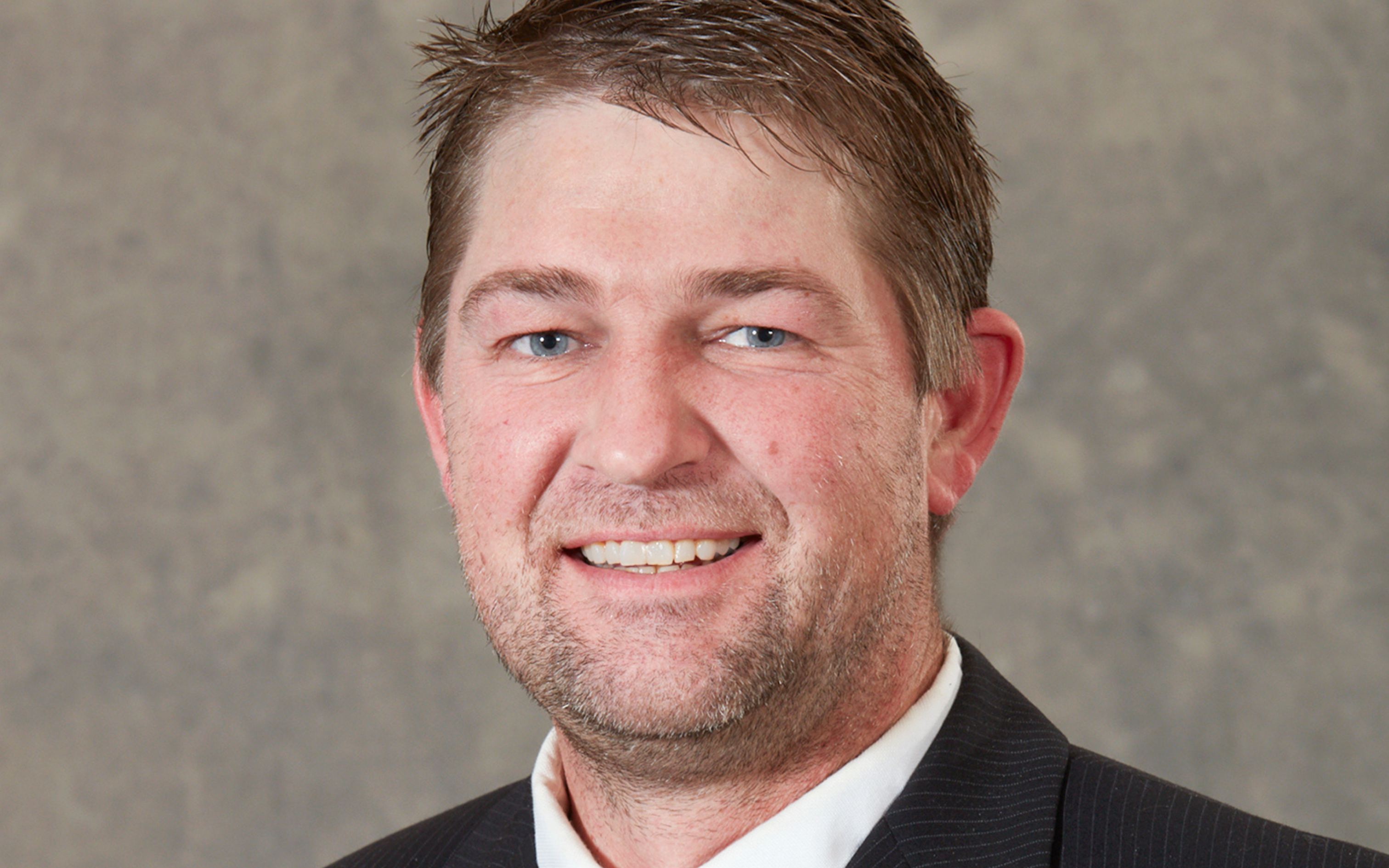
At the 2025 Borlaug Dialogue in Des Moines, Iowa, Justin Brady sat down with Brent Renner, a soybean farmer from Cleghorn, Iowa, and representative of the United Soybean Board, to explore the underestimated impact of soybeans on global nutrition, sustainability, and innovation. With a voice shaped by firsthand farming experience and global outreach, Renner detailed the many emerging applications of soy in both developing markets and industrial uses—well beyond the plate.
Brady opened the conversation by probing soy’s global role, especially in emerging markets. Renner responded with conviction: “Soybeans are one of those very unique crops… that can do so many things.” While its most visible value remains a cost-effective source of protein for both humans and animals, soy’s utility stretches far wider—from rubber and tires to firefighting foam and asphalt.
From Asphalt to Firefighting Foam
Renner noted the growing industrial demand for soy, explaining, “The oil is more of a component for those types of products… but the meal is for the protein.” Among the more unexpected uses: soy-derived ink—once a staple at the Des Moines Register—and now soy-based compounds for asphalt that are not only sustainable but also reusable, unlike traditional materials.
Justin Brady highlighted the affordability and accessibility of soy, a critical focus of the Borlaug Dialogue. Renner agreed, emphasizing soy’s importance in lower-income regions: “We’re seeing soy being used as an everyday resource for low-income families to have in their diets.” He described soy as versatile, widely usable, and increasingly important as a solution for global hunger.
Hear from Iowans directly. No algorithms.
Don’t let the algorithms choose your news. Enter your email address to hear directly from Iowans leading news in politics, community, agriculture and business. No editing. No clickbait. No rage. No agenda.
The Case for Education in Emerging Markets
Cultural perception remains a barrier to soy adoption, Renner said. “There are cultural differences… some other countries maybe don’t have that exposure to it.” While Asian countries have used soy for centuries, regions like Cambodia still need education on soy’s uses—especially for animal feed. “They may not have known that we can feed soybean meal to their fish… rather than the alternative, which would be fish meal,” Renner explained.
Brady turned to infrastructure: What prevents soy from reaching more people? Renner identified logistics as the leading issue, pointing to bottlenecks in countries like Costa Rica and Guatemala. “There were some… issues with Panama Canal, but I think bigger issues with their ports… ships not being able to get through and unloaded in a timely manner,” he said. These delays come with costs, and while some are political, Renner prefers to stay focused on solutions.
Whole Beans vs. Processed Meal
When asked if soy has logistical advantages over meat, Renner explained, “It’s probably easier to ship soybean and soybean meal than it is a frozen product.” However, regional differences complicate this. Some areas prefer raw soybeans to process themselves, while others opt for processed meal. “We’ve noticed that certain regions really like our meal, and some of them like the whole bean,” he added.
As the conversation turned to the World Food Prize, Brady asked what outcomes Renner hoped would emerge. Renner returned to the core theme: “Making sure that everyone understands… how much of a difference [soybeans] can make.” He stressed their role in both human and animal health, and the importance of spreading that awareness internationally.
A Future Fueled by Soy?
Could soy contribute to electric vehicle batteries? Brady posed the question playfully. Renner laughed but didn’t dismiss the idea: “I’m sure that someone somewhere is working on that.” As soy’s versatility expands, so does its relevance in unexpected sectors. With applications stretching from food to foam to futuristic tech, soy continues to surprise even its growers.
When asked what Iowans can do to support the World Food Prize and efforts to eradicate hunger, Renner returned to a consistent theme: “Awareness… of what they’re doing here, not what I do.” He shared how he’s involving his own daughter—an ag communications student at Iowa State—in understanding the work of World Food Prize laureates. “I would encourage everyone to… learn more about what they do and who they’re honoring,” he said.