



Audio version:
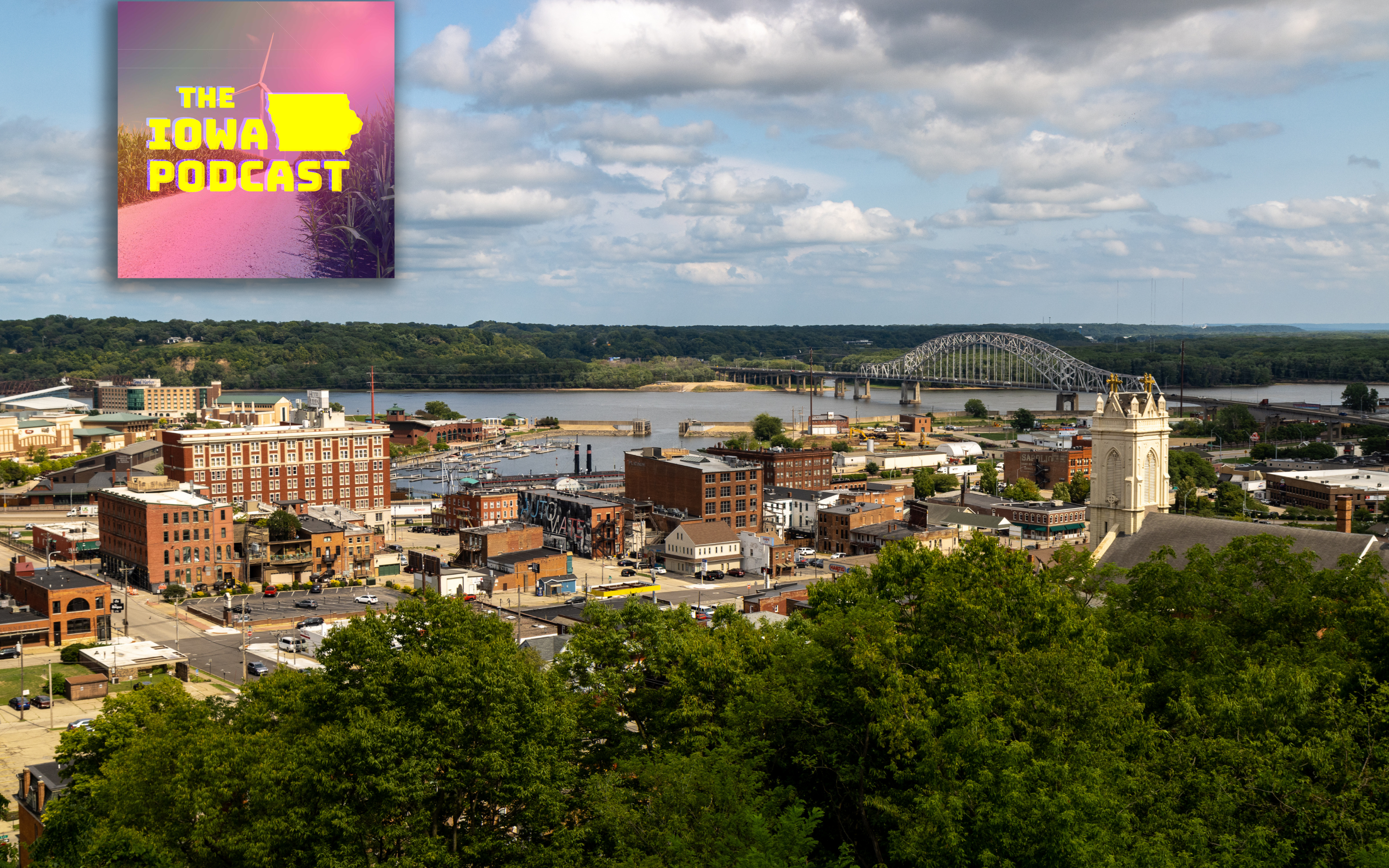
Iowans love it when people from the rest of the country recognize our awesomeness. This week, the state was pleasantly surprised to see just that. A piece in The Wall Street Journal hailed Dubuque, Iowa as a top summer destination. Writer David Farley joined the show to discuss why he wrote the piece and what surprises he encountered.
Farley grew up in Dubuque, leaving when he was 6. Without that personal connection, he said he probably wouldn’t have thought to return. But when he did decide to give it a visit he was surprised how the city had made a complete 180. When he left, the city was hurting from layoffs and boarded up buildings, but today it’s thriving. Farley’s piece shines a spotlight on the thriving small town, alerting millions of WSJ readers to the local charm.
When The Wall Street Journal named Dubuque, Iowa a top summer destination, many Iowans felt a familiar pride—and few were more qualified to explain why than David Farley, the travel writer behind the piece. Farley recounts leaving Dubuque in the late 1970s when its downtown was boarded up and desolate—a victim of suburban mall sprawl and economic decline. “I just remember it being kind of like in ’78… shops windows were boarded up… really depressing,” Farley recalls. Fast forward to today, and Dubuque is buzzing with revitalized energy, boasting vibrant cafes, bookstores, restaurants, and a renewed historic charm.
Iowa stories for your inbox
Justin, David, & Kaylee cover Iowa news, agriculture, business and tech. No clickbait. No rage. No agenda. Support our vision and subscribe!
A National Movement Reflected in a Small Town
As a travel writer with a global perspective, Farley views Dubuque’s transformation as emblematic of a broader national trend. “If it changed Dubuque, this movement, then it’s probably widespread everywhere,” he says. He identifies a growing appreciation for authenticity and local heritage as cities across the U.S. pivot away from mimicry of larger urban centers and toward restoring their unique identities.
Brady prompts Farley on broader implications—especially amid the rise of remote work—and asks whether small towns like Dubuque might experience population growth. Farley agrees, suggesting the appeal of quality of life and lower costs could draw remote workers seeking community and charm.
New Eyes on an Old Home
Despite his early departure, Farley finds deep familiarity and new surprises in Dubuque’s transformation. He’s especially struck by Iowa’s natural beauty and social openness. “There’s a really deep beauty about it,” he says, adding that many coastal Americans are shocked by Iowa’s hilly terrain and river vistas.
Dispelling coastal misconceptions, Farley emphasizes, “Iowans will actually get into politics pretty deep very quickly… from a pretty neutral standpoint.” He notes how this level-headed civic engagement is rare elsewhere and defines Iowa’s unique identity.
Dubuque’s Case for Tourism and Civic Pride
He urges Iowans and tourism leaders to lean into their strengths. “I think Iowa should beat its chest about being a weird spot in all the best ways,” he quips, pointing to the state’s balance of friendliness, political curiosity, and visual allure.
This episode paints a compelling portrait of how hometown pride and cultural shifts are breathing life back into overlooked corners of America—and why David Farley believes Dubuque deserves a spot on the national travel map.