

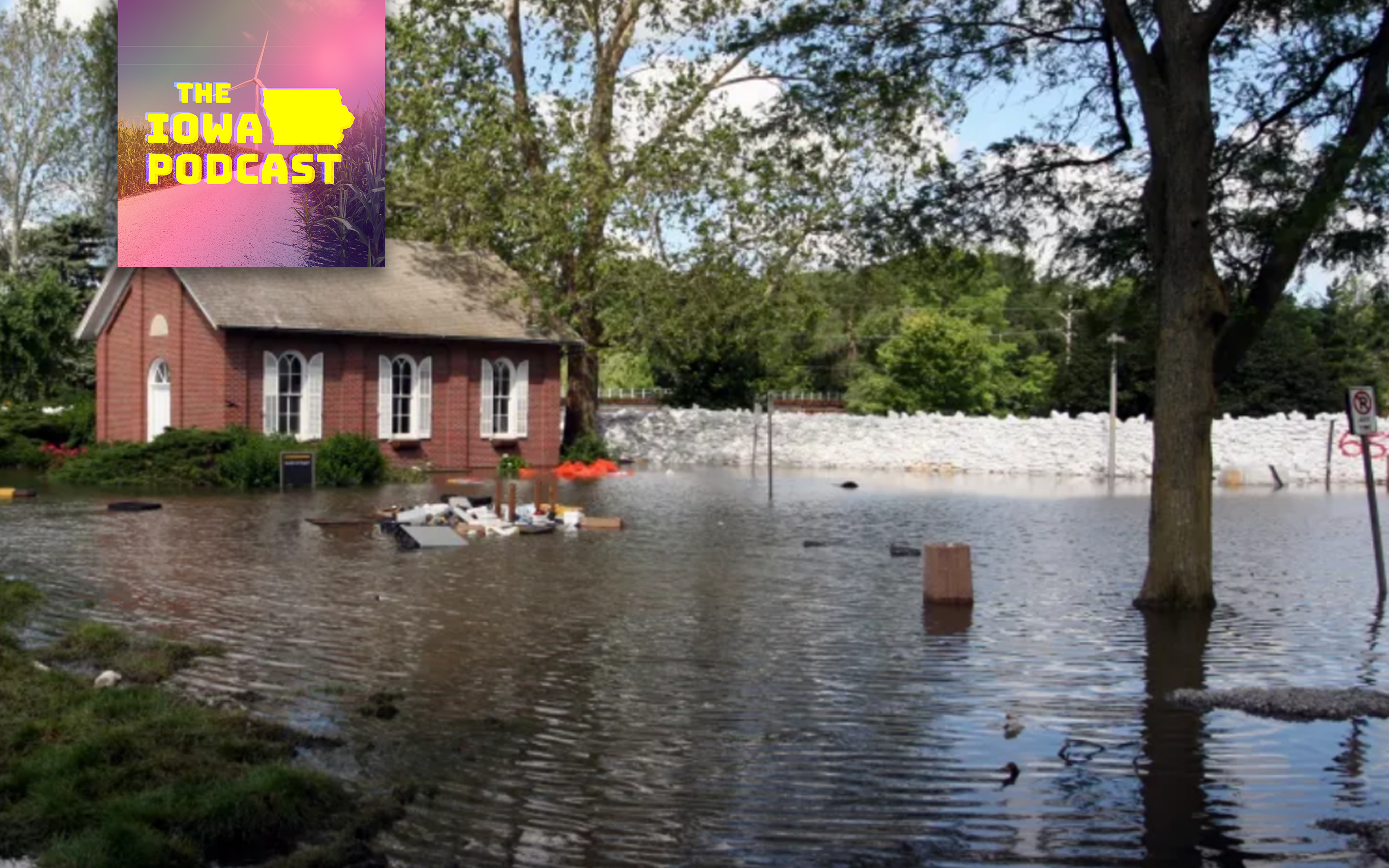


Waterways breathe and when you over engineer the way God designed them, it tends to have disastrous effects. Hannah Inman, CEO of the Great Outdoors Foundation, discusses water conservation in Iowa, watershed, flooding, and the official central Iowa ICON waterway project.
Inman also addresses the misconception that Iowa lacks outdoor activities, highlighting the state’s network of over 800 miles of connected paved trails. She addresses water quality concerns, how to restore our native wetlands, and how Iowa farmers and outdoor enthusiasts are working together with tech companies to fix the flooding.
Hear from Iowans directly. No algorithms.
Don’t let the algorithms choose your news. Enter your email address to hear directly from Iowans leading news in politics, community, agriculture and business. No editing. No clickbait. No rage. No agenda.
Pioneering Water Conservation and Outdoor Recreation in Iowa

Hannah Inman discusses the misconception that Iowa lacks outdoor activities, countering it with evidence of the state’s extensive paved trail systems and the growing trend of outdoor recreation. “We have over 800 miles of paved trails in central Iowa that are all connected. One of the best products in the world,” she highlights, emphasizing Iowa’s prominence in cycling and other outdoor activities.
Inman elaborates on the Great Outdoors Foundation’s mission to advance conservation through innovation, collaboration, and stewardship. A significant focus is on the ICON Water Trails project, which aims to transform Iowa’s waterways into vibrant spaces for recreation while simultaneously promoting conservation. “Our mission is to advance conservation through innovation, collaboration, and stewardship. We see recreation as a catalyst for conservation,” Inman states.
Addressing Water Quality and Flooding Challenges
In the discussion, Inman addresses common misconceptions about water quality in Iowa. She explains that Iowa’s water systems are naturally silt-based, which can make the water appear murky but does not necessarily indicate pollution. However, she acknowledges the challenges posed by agricultural runoff, particularly phosphorus and nitrogen, and the efforts needed to mitigate these effects.


Inman explains, “Iowa is built upon agriculture… but there are things that can be done in agriculture that decrease the runoff of nitrogen and phosphorus.” She describes various methods such as buffer strips, saturated buffers, bioreactors, and wetlands that can help keep nutrients on farms and prevent them from polluting waterways.
Regarding flooding, Inman discusses the importance of allowing water to follow its natural path and creating spaces for it to be stored, such as wetlands. She highlights the example of Four Mile Creek, where strategic buyouts and the creation of floodplains have significantly improved water quality and reduced flooding risks.
Collaboration and Innovation in Conservation Efforts
A crucial aspect of the Great Outdoors Foundation’s approach is collaboration with local farmers and stakeholders. Inman explains the “Batch and Build” project, which streamlines the process for farmers to implement conservation practices. By reducing bureaucratic hurdles, this initiative accelerates the pace at which farmers can adopt sustainable practices.

Inman also highlights the role of corporate partners like Google in funding these conservation efforts. Google’s contribution of $1.3 million for grade stabilization projects in Southwest Iowa is an example of how private companies are investing in local environmental initiatives. “They want to be good corporate citizens… so they’re putting money into what they call water replenishment,” Inman notes.

Future Projects and Community Impact

The ICON Water Trails project is one of the most exciting developments discussed in the interview. With $97.2 million secured, this initiative will create extensive water recreation opportunities across central Iowa. “It’s the community coming together to figure out how we can activate our waterways,” Inman says. The project includes plans for whitewater rafting, ADA-accessible fishing, and numerous other recreational activities, with construction already underway. In conclusion, Hannah Inman’s insights highlight the significant strides Iowa is making in conservation and outdoor recreation. Her leadership at the Great Outdoors Foundation is driving impactful projects that enhance the state’s natural resources and provide residents with more opportunities to connect with nature. For more information on the Great Outdoors Foundation and their initiatives, visit www.greatoutdoorsfoundation.org.