

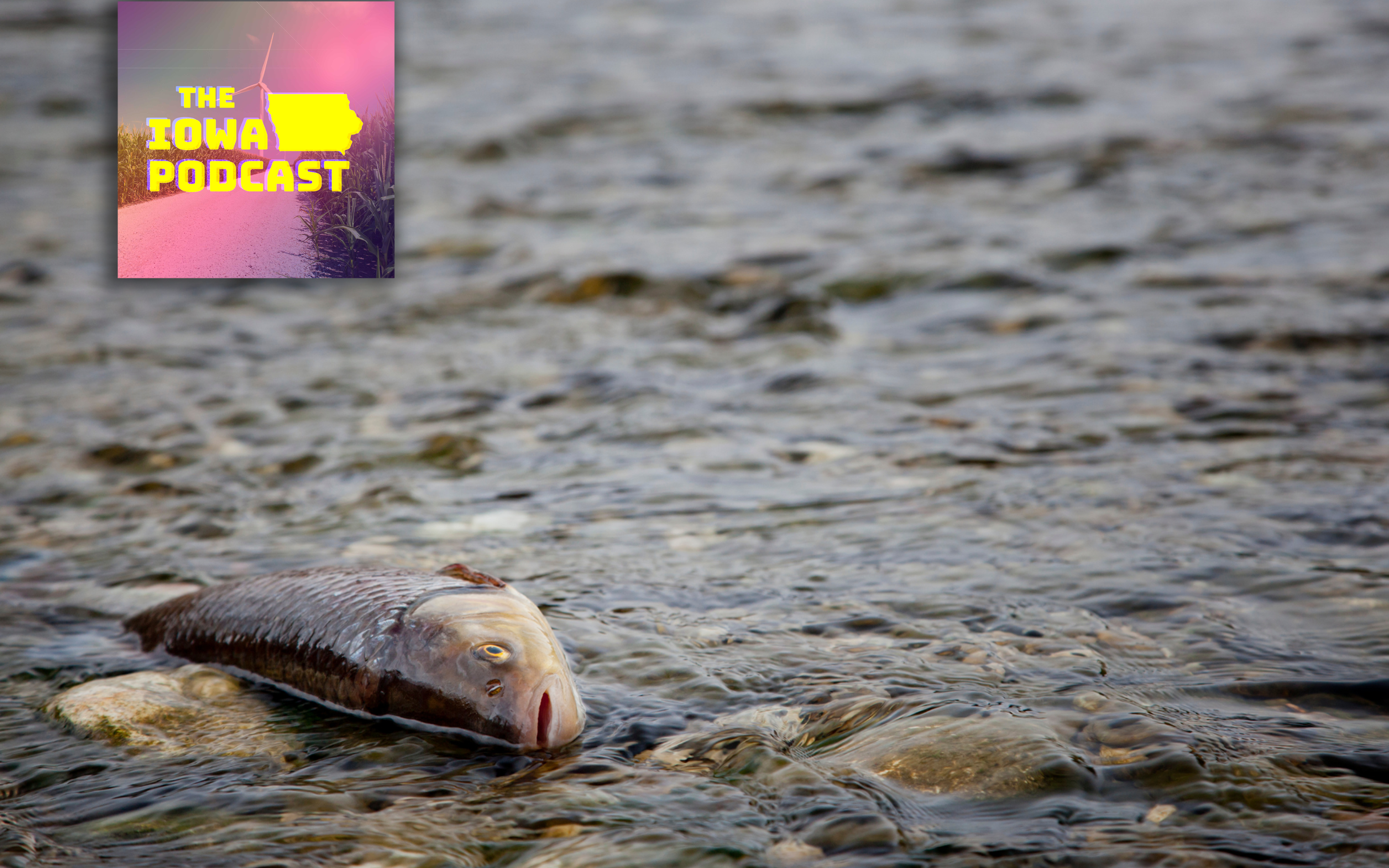


749,000 fish in Iowa waterways were killed when 265,000 gallons of liquid nitrogen fertilizer was accidentally dumped into the East Nishnabotna River near Red Oak. Dr. Michelle Soupir, a Professor at Iowa State University with expertise in Nonpoint Source Pollution, waterways and watershed explains the impact, and cautions on drinking water in some parts of the state.
On March 9th, a valve at NEW Co-op was accidentally left open causing the spill, which has now killed an estimated 40,000 fish in Missouri. While Des Moines Water Works can utilize specialized treatment for high levels of Nitrate and Ammonia, not every water treatment plant in the state has the necessary technology. Dr. Soupir says water treatment plants are continuously checking water quality, but cautions Iowans downstream to check their well water.
Hear from Iowans directly. No algorithms.
Don’t let the algorithms choose your news. Enter your email address to hear directly from Iowans leading news in politics, community, agriculture and business. No editing. No clickbait. No rage. No agenda.
Dr. Michelle Soupir, a professor at Iowa State University with expertise in sustainable water systems, non-point pollution control, watershed management, and water quality monitoring, delved into the repercussions of a substantial nitrogen fertilizer spill in Red Oak, Iowa. Dr. Soupir’s insights provide a comprehensive understanding of the environmental and ecological challenges following the incident, which resulted in the death of approximately 749,000 fish across Iowa and Missouri, signifying a stark environmental disaster.
Fertilizer Spill Kills Fish, Threatens Water
Dr. Soupir elucidated the chemical dynamics of the spill, emphasizing how the discharge of 249,000 gallons of liquid nitrogen fertilizer, primarily ammonia, wreaked havoc on aquatic life. The high concentration of ammonia in water disrupts the ion balance in fish, leading to massive die-offs. Her explanation demystified the relationship between liquid nitrogen fertilizer and its ammonia content, shedding light on the impact of such chemicals on both wildlife and water quality.

Addressing the broader implications of the spill, Dr. Soupir underscored the vulnerability of water systems to agricultural runoff and pollutants. She advocated for balanced nutrient management practices to mitigate the environmental footprint of agriculture without compromising crop yields. Furthermore, she highlighted the essential role of water treatment plants in ensuring safe drinking water, acknowledging the challenges posed by such environmental incidents in their operations.
Soupir Advocates Sustainable Water, Agriculture Practices
The conversation also touched upon the potential long-term consequences if comprehensive measures are not taken to protect waterways from future spills. Dr. Soupir stressed the importance of leveraging Iowa’s abundant water resources to foster economic growth and enhance the quality of life while maintaining ecological balance. Her expertise points toward a critical need for a holistic approach to agricultural practices, water management, and environmental stewardship to preserve Iowa’s waterways for future generations.
Dr. Soupir’s participation in the podcast not only illuminated the immediate effects of the fertilizer spill but also sparked a broader conversation about sustainable water management and the intricate balance required to safeguard environmental resources against agricultural pollutants. Her insights are a call to action for enhanced regulatory measures, technological advancements, and community engagement in environmental protection efforts.
Learn more about Michelle Soupir
Check out here official website.
Follow her on X (fka Twitter)