



Audio version:
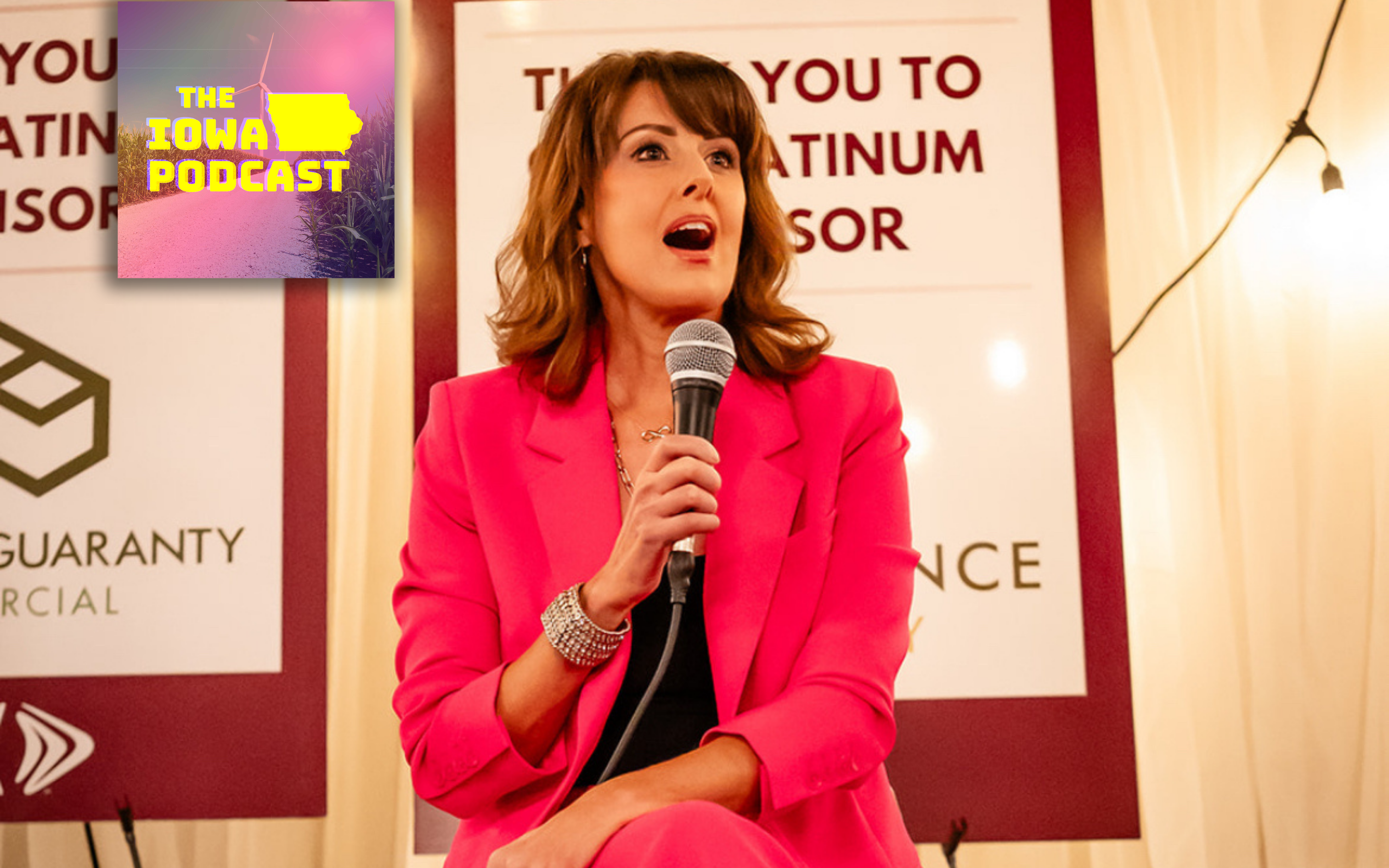
Erin Kiernan, anchor of WHOTV suddenly vanished off the airwaves leaving viewers to wonder what happened. Upon returning, she explained her time away from the camera was spent on her family, specifically her son Michael Francis who has Autism. She discusses the growing conflict within the autism community and why autism is still very misunderstood.
She breaks down common misunderstanding’s like “the spectrum” and “levels” and the difference between Asperger’s and autism. She also explains what a day in the life looks like, and how friends, neighbors, and family can help. She also addresses why finding a “cause” is suddenly controversial and the blowback she often receives for simply trying to help her son adapt and thrive.
Rising Autism Rates and Controversial Questions
According to Kiernan, the rate of autism diagnoses has jumped dramatically over the past several years—from 1 in 44 to 1 in 31 children in the U.S. “It keeps jumping and pretty quickly, and that’s one of the things that’s been attention-grabbing,” she explains. While awareness is increasing, she points out that controversy still surrounds the causes behind the rise.
Brady and Kiernan briefly address the politically charged nature of autism discussions, with Kiernan stating she welcomes awareness: “Raise the awareness. Keep it top of the headlines all day, every day.” However, she acknowledges that many conversations quickly turn contentious due to polarized views on causes and treatments.
“People Have No Idea”: The Hidden Struggles of Autism in Daily Life
Kiernan reveals the physical and emotional exhaustion that her family faces every day—starting with sleepless nights. “Almost every day we are sleep-deprived… They can’t turn their brains off,” she says, referring to her son’s chronic struggle with sleep due to neurological overstimulation.
She discusses the array of therapies Michael Francis attends, including speech and occupational therapy, explaining how even basic activities like holding a pencil or using utensils can be challenging. Despite these obstacles, Kiernan emphasizes the importance of early intervention and consistent support.
Hear from Iowans directly. No algorithms.
Don’t let the algorithms choose your news. Enter your email address to hear directly from Iowans leading news in politics, community, agriculture and business. No editing. No clickbait. No rage. No agenda.
Why Traditional Education Fails Many Autistic Children
The classroom, for many autistic children, is a minefield of unrealistic expectations and forced conformity. “School is not fun for them,” Kiernan says. She notes that Michael Francis, like many others, finds it nearly impossible to sit still and absorb information in a conventional school setting.
Brady relates by sharing his own experience with ADHD and frustrations in traditional education. Kiernan agrees that current systems are often ill-suited for neurodiverse learners and reiterates that autism is not about being “slow”—in fact, the brains of autistic individuals often process exponentially more information.
Understanding the Spectrum and Outdated Terminology
Kiernan explains that the diagnosis of autism is complex and has evolved significantly. The term “Asperger’s” is no longer used in clinical diagnoses, and people are now grouped under a broader autism spectrum. Her son is classified as Level 2, or “middle of the road,” functionally.
The public, however, continues to misunderstand what it means to be “on the spectrum.” Kiernan criticizes the tendency to compare all autism cases to high-functioning public figures like Elon Musk: “It would be a big disservice by starting to put all of these people under the umbrella of autism.”

Why Are Conversations About Autism So Polarizing?
Brady asks why cause-related discussions ignite so much anger in the autism community. Kiernan attributes the toxicity to entrenched tribalism and a loss of curiosity in public discourse. “People have lost the ability or interest in constructive dialogue,” she states, noting how many reject ideas based solely on the messenger, rather than the message.
Within the autism community itself, these divisions can become personal. Kiernan describes fierce debates over everything from therapy methods to terminology. Despite this, she remains committed to ongoing learning and evolution of her own views.
Language Wars and the Importance of Curiosity
One contentious issue Kiernan has wrestled with is terminology—specifically, whether to say “autistic person” or “person with autism.” While once she felt pressure to follow people-first language, she now takes a more relaxed view: “As long as you’re being respectful and loving… I don’t care about how you’re saying this.”
She also mentions being shamed for wearing a puzzle-piece shirt—a symbol once widely used for autism awareness but now deemed offensive by some. Her conclusion? “I’m over it. It doesn’t matter.”
How to Be a Supportive Friend or Family Member
Kiernan shares that friends and family often don’t know what to say or do. Her advice is simple: show up, stay present, and don’t be afraid to ask questions—even if they seem awkward. She shares a touching story about a longtime friend who told her, “I think it’s important for the people who love you to see this,” after witnessing one of her son’s meltdowns.
Brady praises her openness and transparency, calling it a service to the community. Kiernan closes by sharing how she began telling her story publicly, encouraged by a fellow journalist who asked, “Why aren’t you doing stories about this?” Since then, she’s committed herself to educating the public, even when it’s emotionally taxing.