

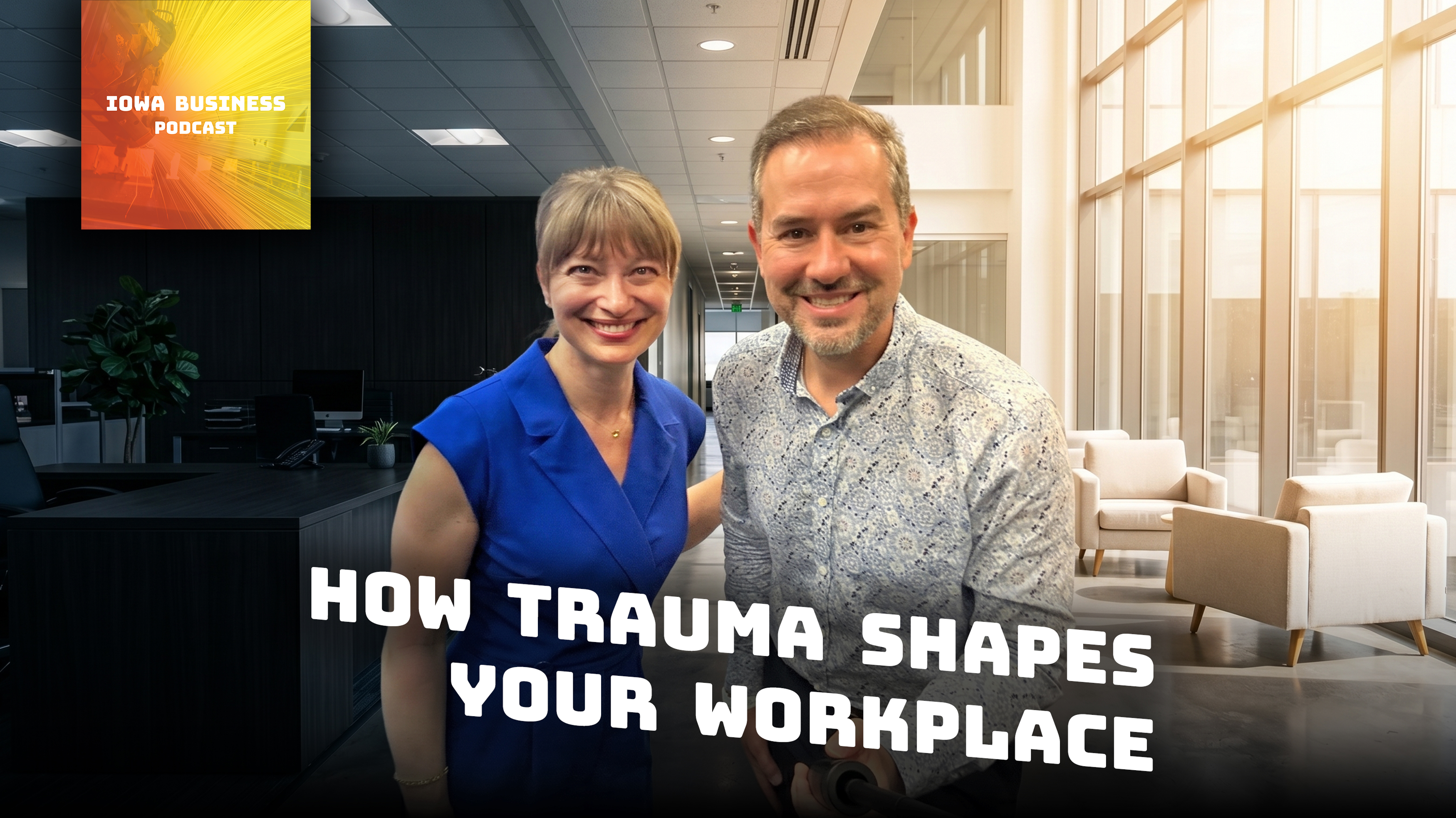


Almost every employee will go through a traumatic experience in their life and whether you recognize it or not, they will bring emotional baggage into the workplace. Should leaders support their staff in these times or keep a respectful distance? Nataliya Stone, PhD shares detailed research that shows the right kind of support actually builds unwavering loyalty and top-tier culture at your company.
Stone says leaders are trained for nearly every workplace scenario, but not what to do when employees lose a spouse, get cancer, have to care for a dying parent, or go through a divorce. She explains why embracing this taboo topic isn’t just good for the employee, but your company as a whole.

Trauma in the workplace is an often-overlooked reality that acts as a significant, quiet drag on organizational productivity. Stone, author of the upcoming book When Life Disrupts Work, argues that because leaders are rarely trained to handle employee crises—ranging from the death of a spouse to divorce or caregiving challenges—they often default to avoidance. This lack of preparation leaves employees feeling unsupported, which directly impacts retention. According to Dr. Stone, “The leader and the organization, therefore by extension through the leader, supports that employee in crisis determines the loyalty of that employee to that company”.
Hear from Iowans directly. No algorithms.
Don’t let the algorithms choose your news. Enter your email address to hear directly from Iowans leading news in politics, community, agriculture and business. No editing. No clickbait. No rage. No agenda.
Bridging the Gap Between Care and Accountability
While existing resources like Employee Assistance Programs (EAPs) or the Family and Medical Leave Act (FMLA) are beneficial, they often fail to address the long-term nature of recovery, which typically spans six months to two years. Dr. Stone emphasizes that leaders must learn to balance empathy with performance management rather than ignoring the situation once the employee returns. “We’re not saying that the employee’s not responsible for the output of their work product. We’re not saying that they’re forever now or for two years, they’re half an employee,” she notes.
To navigate these challenges, leaders should establish clear processes for check-ins, respect confidentiality, and remain flexible while maintaining accountability. By creating a culture that fosters human connection, organizations can turn difficult moments into opportunities for deep, long-term loyalty. Dr. Stone advises that, “Don’t ever let caring for people, fear of caring too much for people prevent you from caring, just because I know that when we care for people, people tend to care more about other things”. Those looking to follow Dr. Stone’s research can connect with her at nataliyabstone.com