



Audio version:
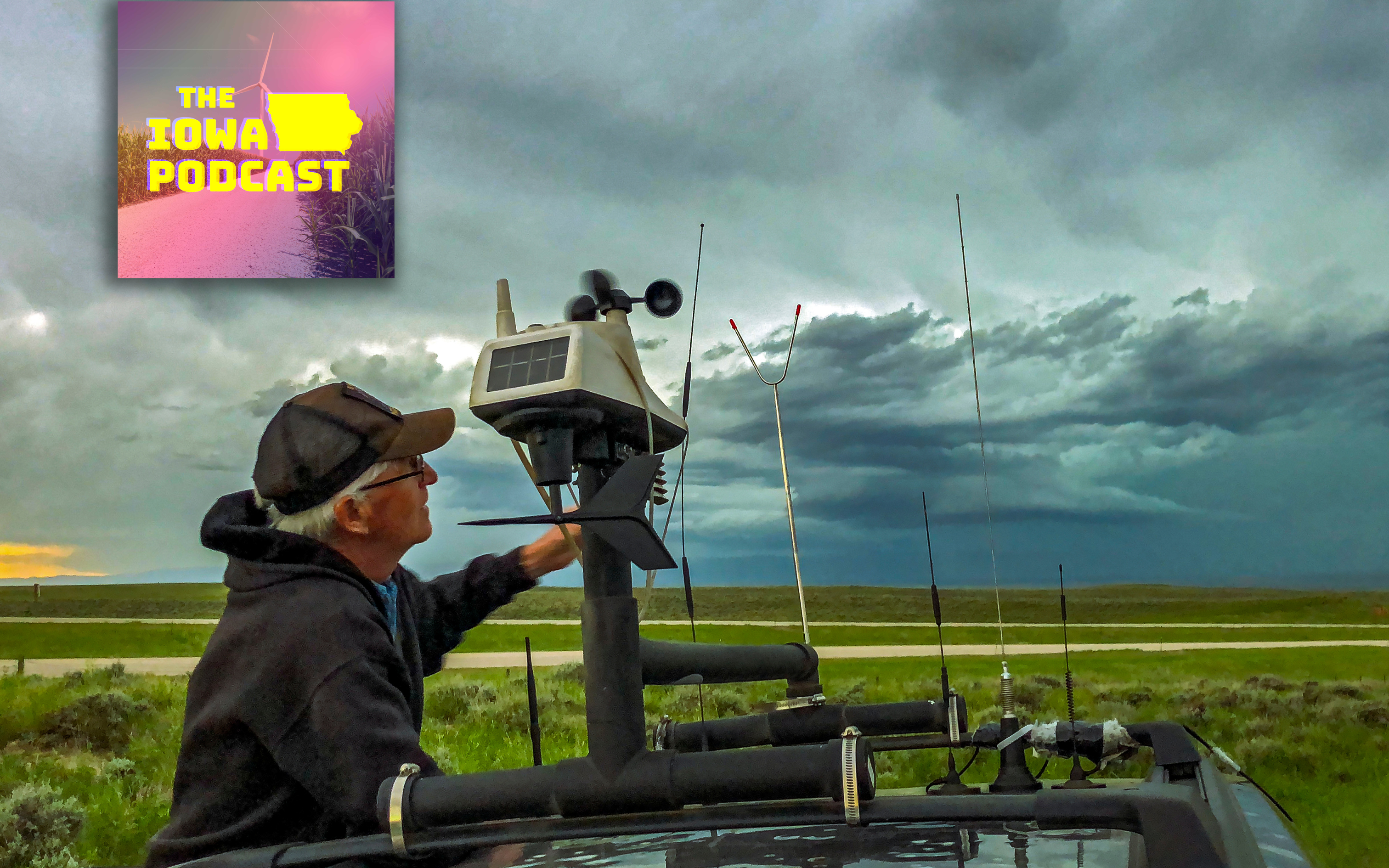
How do Iowa storm chasers get incredible footage? Do they go 120mph in sports cars around the state? Actually no, they just book a hotel room near the area they suspect of tornadic activity. Todd Rector with The Iowa Storm Chasing Network says they have advance notice. But there’s a breakdown in how that information is communicated to you.
Getting the word out and Iowans can be a challenge, the communication delay can be significant if alert systems are outdated, he says. Adding additional confusion, he says Iowans are facing alert fatigue. When sirens do go off, they’re unclear if it’s for high winds, or an actual tornado. He also says our alert system is actually vulnerable to bad actors.
Hear from Iowans directly. No algorithms.
Don’t let the algorithms choose your news. Enter your email address to hear directly from Iowans leading news in politics, community, agriculture and business. No editing. No clickbait. No rage. No agenda.
Inside the Storm: Todd Rector’s Life as an Iowa Storm Chaser
In this gripping episode of The Iowa Podcast, Justin Brady sits down with Todd Rector, founder of the Iowa Storm Chasers Network, for an in-depth look at the realities of storm chasing and the evolving nature of severe weather in Iowa. Rector, whose tornado footage has been used nationally and internationally, brings firsthand experience and scientific insight into a world many Iowans only witness from their front porches.

Rector explains that Iowa’s tornado season peaks in April and May due to atmospheric instability created by warming temperatures and moisture pulled from the Gulf. But the storms aren’t limited to spring. A surprising number of tornadoes have also struck in winter months, most notably during a recent December derecho that produced more than 60 tornadoes in one day. With climate patterns shifting, these off-season storms are becoming more frequent, blurring the lines of what Iowans traditionally expect from their seasons.
Storm Chasing, Forecasting, and First Response
Far from the dramatic Hollywood portrayal, modern storm chasing is a methodical process. Rector and his team use sophisticated forecasting models such as HRRR and NAM to identify targets days in advance. They often travel out-of-state and position themselves in strategic areas well before the storms hit. Once in position, they capture live footage and provide vital ground-truth data to the National Weather Service—sometimes even receiving direct calls for real-time updates.
But their role doesn’t end with data collection. Rector and his team are often the first to arrive in storm-damaged areas, offering aid and helping clear roads for emergency responders. Equipped with trauma kits, tow chains, and other emergency tools, their efforts bridge a critical gap between disaster and official rescue. Rector, a former EMT, takes this responsibility seriously, underscoring the ethical side of storm chasing.
Rethinking Tornado Alerts and Public Preparedness
A significant portion of the conversation focuses on public warning systems—and their flaws. In counties like Polk, all sirens are activated at once, regardless of localized threat levels, leading to widespread alert fatigue. Many Iowans have become desensitized, often ignoring warnings unless they see immediate danger. Rector argues that more specific alert tones or a transition to GPS-based phone notifications would improve public response.
He also notes a serious vulnerability: many sirens are still activated through open radio frequencies, which could be spoofed. And in some cases, alerts rely on manual activation by local sheriffs, raising concerns about consistency and speed.
To close, Rector stresses the importance of household readiness. He recommends emergency kits with food, water, medications, battery-powered radios, and weather apps like ISCN’s own platform, which offers customizable, real-time alerts. As recent disasters have shown, residents can’t always rely on infrastructure or emergency responders. In a state where tornadoes can form with little notice, preparation is not just prudent—it’s essential.